

Glass shower doors can develop cloudy patches, fingerprints, and soap residue that remain visible after a rinse. Some people turn to toothpaste and baking soda, two products found in most bathrooms, to make a paste for removing marks from glass.
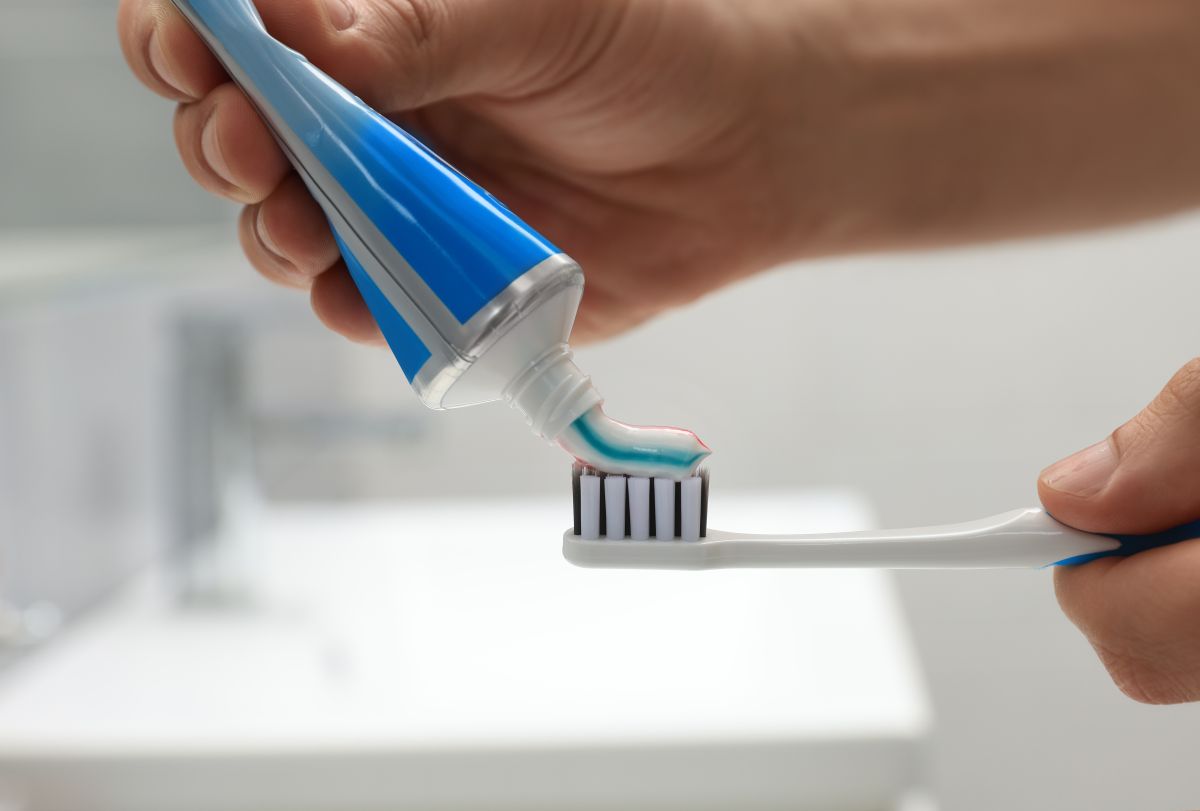
The combination works through mild abrasion. Baking soda helps loosen residue attached to the surface, while many white toothpastes contain polishing agents and cleaning ingredients designed to remove deposits from teeth. Together, they create a paste that can be rubbed over stained areas.
The method is intended for surface dirt and certain stubborn marks, not for repairing scratched glass or removing mineral deposits that have etched into it. The type of glass and its protective coating also matter before applying an abrasive mixture.
Baking Soda and Toothpaste Form a Paste for Glass Stains
Baking soda has a fine, grainy texture that can help dislodge dirt when rubbed against a surface.
White toothpaste often contains mild abrasives, such as hydrated silica or calcium carbonate, along with ingredients that help remove residue.
Combining the two creates a thicker cleaning paste that stays in contact with marks on the glass while scrubbing.
The mixture is suggested for fingerprints, grease residue, and some deposits left on shower doors. It may also help with marks on plain glass jars or other uncoated glass objects.
However, toothpaste formulas differ, and the abrasive particles in both ingredients can damage certain finishes. The method hasn’t been established as more effective than a glass cleaner designed for shower doors.
How to Mix Toothpaste and Baking Soda for Shower Glass
Place one tablespoon of baking soda in a small bowl and add a small amount of plain white toothpaste.
Stir until the ingredients form a paste. Add a few drops of water if the mixture is too thick to spread.
Before applying it, check the shower-door manufacturer’s cleaning instructions. Avoid the paste on coated, tinted, treated, or scratched glass, and test a concealed area of suitable uncoated glass first.
If the surface is compatible, place a small amount of paste on a soft sponge and rub the stained section with light pressure.
Leave the mixture in contact with the glass for one to two minutes, then remove it with a damp cloth.
Rinse away the remaining residue and dry the surface with a clean microfiber cloth to prevent streaks.
Avoid abrasive pads or forceful scrubbing, which can increase the risk of surface damage.
Cloudy marks caused by soap residue may respond to cleaning, while hard-water deposits or permanent etching can require a different approach.
The mixture offers a way to target some surface marks with two household products, but its abrasive action makes testing and glass compatibility important.
Leave a Reply