

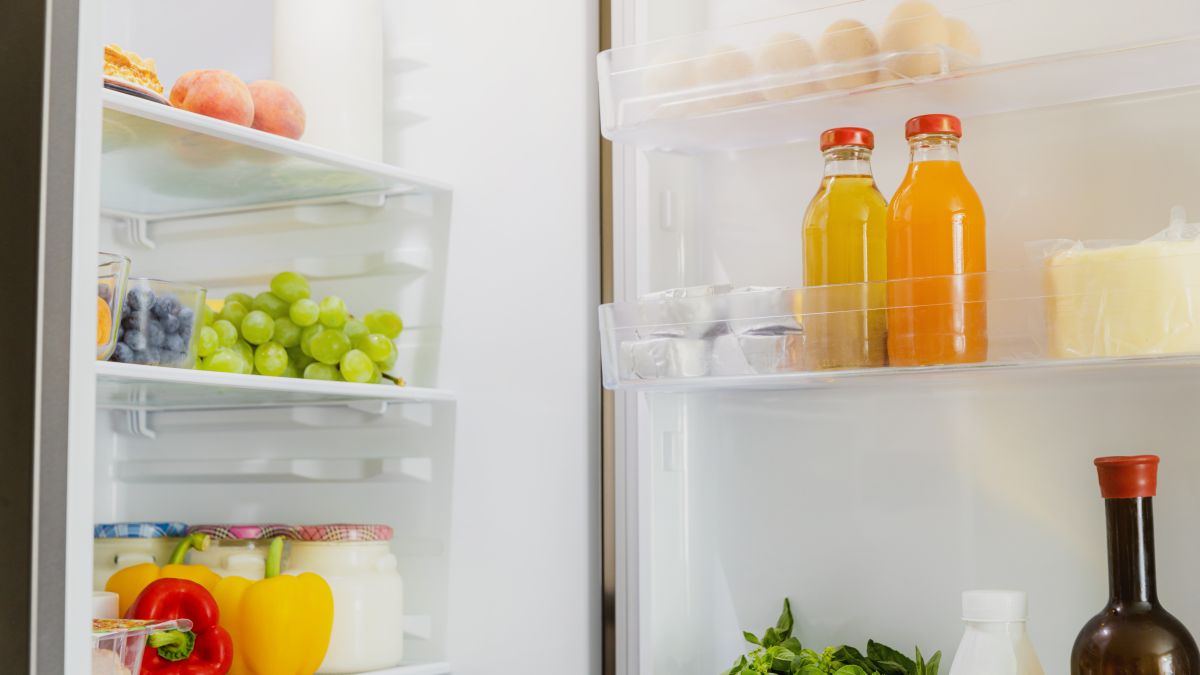
An open box of baking soda sits on a refrigerator shelf, surrounded by milk, vegetables, leftovers, and other foods. The idea is familiar: leave the box inside, and unpleasant smells should disappear. But baking soda doesn’t know where an odor comes from, and it cannot stop food from spoiling.
Baking soda, or sodium bicarbonate, can help reduce certain odors through chemical reactions with odor-causing compounds. Its alkaline nature makes it useful against some acidic smells, although the effect depends on the substances present and how much contact they have with the powder.
The distinction is that reducing an odor isn’t the same as removing its source. A box of baking soda may make some smells less noticeable, but it won’t clean a spill, remove mold, or make spoiled food safe to eat.
Baking Soda Can React With Some Odors, Not Every Smell
Baking soda is a mild alkaline compound that can react with certain acidic substances responsible for unpleasant odors.
When an acidic compound reaches the baking soda, the reaction may convert it into a form with less odor. This helps explain why baking soda is used in household deodorizing products.
However, refrigerator odors come from different sources. Spoiling food can release a mixture of acids, sulfur compounds, and other volatile substances that don’t all respond to baking soda in the same way.
An open box also has limited contact with the air moving through the refrigerator. Odor molecules must reach the exposed powder before any reaction can occur.
That means baking soda isn’t a universal odor absorber, and the amount of odor reduction can vary.
The powder also doesn’t disinfect refrigerator surfaces, kill mold, or prevent bacteria from growing on food.
A Clean Refrigerator Matters More Than an Open Box
If a refrigerator smells bad, start by checking produce drawers, leftover containers, and food stored near the back of the shelves.
Remove spoiled food and inspect the area for leaked liquids, food residue, or containers that haven’t been sealed.
Wash removable shelves and drawers according to the refrigerator manufacturer’s instructions, then clean and dry affected surfaces.
Check beneath produce bins and around door seals, where spills can remain out of sight.
Keep foods covered and maintain the refrigerator at 40°F (4°C) or below to reduce food-safety risks.
An open box of baking soda can be used as an additional odor-control measure after cleaning. For persistent odors, inspect the drain pan and other accessible components identified in the appliance manual.
A smell that returns after cleaning may indicate an overlooked source.
When the Box Needs Replacing
An open box of baking soda doesn’t work without limit. As it encounters odor compounds, its deodorizing effect can decline.
Arm & Hammer recommends replacing its refrigerator baking soda odor absorber every 30 days. Its vented packaging exposes the powder to refrigerator air, while the monthly replacement schedule is intended to maintain odor control.
Baking soda used for refrigerator deodorizing should not be reused for cooking. Keep a separate, fresh supply for food preparation.
If the smell remains after replacing the box, removing spoiled food and cleaning the refrigerator interior should take priority. Activated charcoal may also help with persistent odors after the source has been removed.
Baking soda can reduce certain smells, but its presence doesn’t prove that the refrigerator is clean or that its contents are safe.
A refrigerator that smells fresh isn’t proof that everything inside is safe to eat.
- McGill University, Office for Science and Society: Can Baking Soda Really Absorb Odors in the Fridge?
- USDA Food Safety and Inspection Service: Removing Refrigerator and Freezer Odors
- Oregon State University Extension: How Often Should I Clean My Refrigerator and Freezer?
- Arm & Hammer: How Baking Soda Absorbs Refrigerator Odors


Leave a Reply