

Yoga is often associated with stretching, flexibility, and balance, but its effects may extend beyond muscles and joints. The breathing exercises, controlled movements, and relaxation involved in yoga can also influence how the cardiovascular system responds to stress.
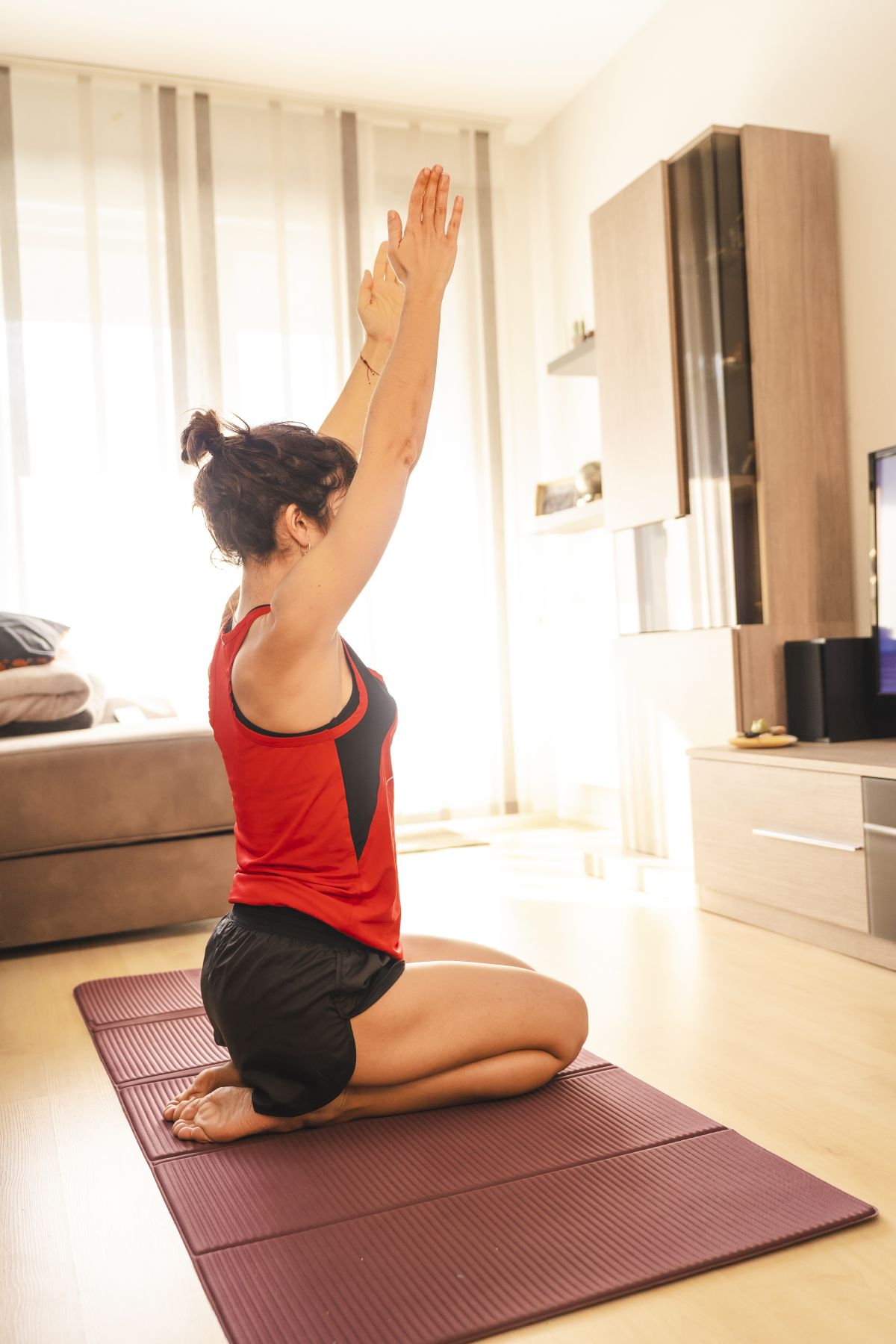
Blood pressure rises and falls throughout the day as the nervous system responds to physical activity, emotions, and other demands. When stress activates the body’s fight-or-flight response, heart rate can increase and blood vessels can constrict. Yoga incorporates practices that may help reduce this response.
Research suggests that regular yoga practice can produce modest reductions in blood pressure, particularly among people with elevated readings. The benefit doesn’t come from stretching alone. Breathing, movement, and relaxation may all contribute.
Yoga May Help Reduce Blood Pressure Through Breathing and Relaxation
Yoga combines physical postures with controlled breathing and periods of rest, creating an activity that engages both the body and nervous system.
During slow breathing exercises, the body can shift toward greater parasympathetic nervous system activity, which supports rest and recovery.
This response may help lower heart rate and reduce some of the physiological effects of stress.
Some studies have found reductions in systolic and diastolic blood pressure among people who practice yoga over several weeks.
The size of the effect varies according to the type of yoga, session frequency, and participants’ existing health conditions.
Gentle yoga sessions may include seated breathing exercises, standing postures, and stretches that don’t require strenuous physical activity.
These practices can complement other habits used to manage blood pressure, including regular aerobic exercise, adequate sleep, and a balanced diet.
Yoga isn’t a substitute for prescribed blood pressure medication or medical treatment.
Regular Practice Matters More Than Difficult Poses
Yoga doesn’t require advanced flexibility, complicated positions, or expensive equipment.
A beginner session can begin with seated breathing, followed by gentle standing movements and stretches performed within a comfortable range of motion.
Slow, controlled breathing is an important part of the practice. Rather than holding the breath during a pose, maintain a steady rhythm while moving.
Sessions can also include a short period of relaxation, allowing the body to return to a resting state.
For people with high blood pressure, gentle routines may be more suitable than intense sessions involving prolonged inverted positions or breath-holding.
Anyone with uncontrolled hypertension or cardiovascular disease should seek medical guidance before beginning a new exercise routine.
Walking, cycling, and other aerobic activities remain important for cardiovascular fitness. Yoga offers a different combination of movement and stress management rather than replacing those forms of exercise.
The potential benefit comes from practicing over time, not from completing one difficult pose.
Yoga may support blood pressure management through its combination of breathing, movement, and relaxation, giving the practice a role beyond improving flexibility.



Leave a Reply