

Spring may seem like the right time to plant wildflowers, but waiting until the weather warms can mean missing an opportunity to get them established. Some wildflower seeds benefit from spending winter in the soil, where cold temperatures and seasonal rain help prepare them for germination.
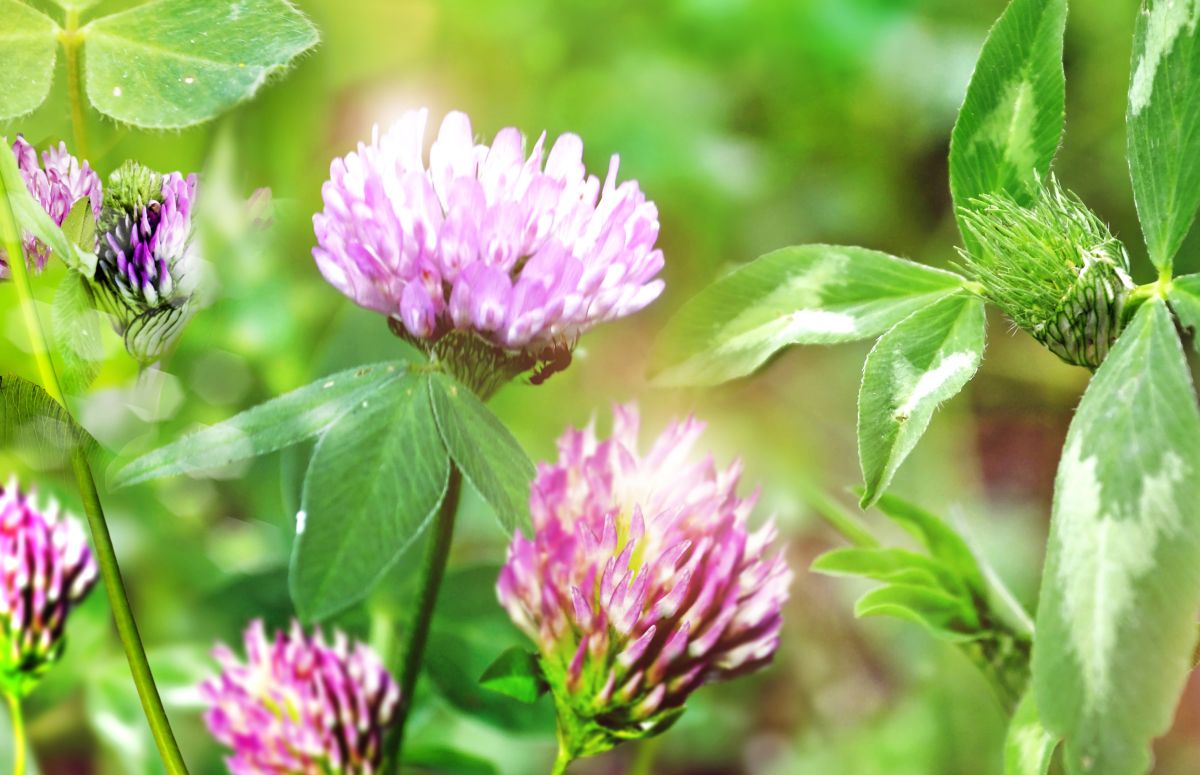
Autumn sowing follows the natural cycle of many wildflowers. Seeds fall from mature plants as the growing season ends, remain in the ground through winter, and begin growing when conditions improve. Planting before winter can give certain species a head start over seeds sown in spring.
Horticultural expert Richard Barker of LBS Horticulture recommends autumn sowing for suitable native wildflowers. Three options worth considering are forget-me-nots, red clover, and bird’s-foot trefoil, which can bring color to gardens while providing food for pollinators during their flowering seasons.
1. Forget-Me-Nots Can Bring Blue Flowers to Spring Borders
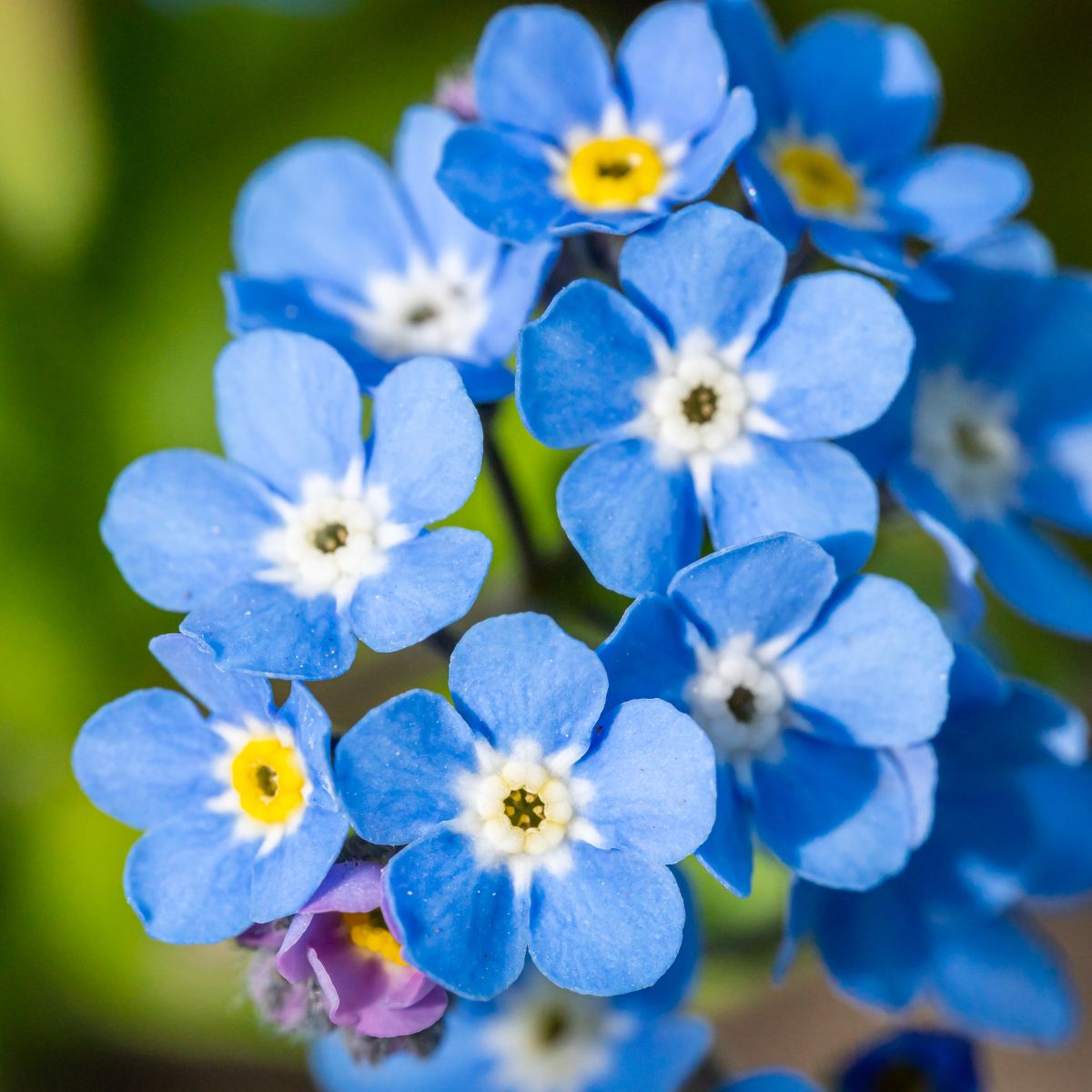
Forget-me-nots produce clusters of small blue flowers with yellow centers, creating patches of color along garden borders, beneath shrubs, and around other spring plants.
Many garden forget-me-nots can be sown in autumn, allowing the seeds to experience winter conditions before growth resumes.
Choose a spot with suitable light and well-drained soil, following the requirements of the variety being planted.
Scatter the seeds across prepared soil and keep them in contact with the surface rather than burying them beneath a thick layer of compost.
Once established, forget-me-nots can spread through self-seeding, producing new plants in subsequent growing seasons.
Their flowers also provide nectar and pollen for visiting insects.
2. Red Clover Produces Pink Flowers That Attract Bees
Red clover develops rounded flower heads made up of numerous small pink-purple blooms.
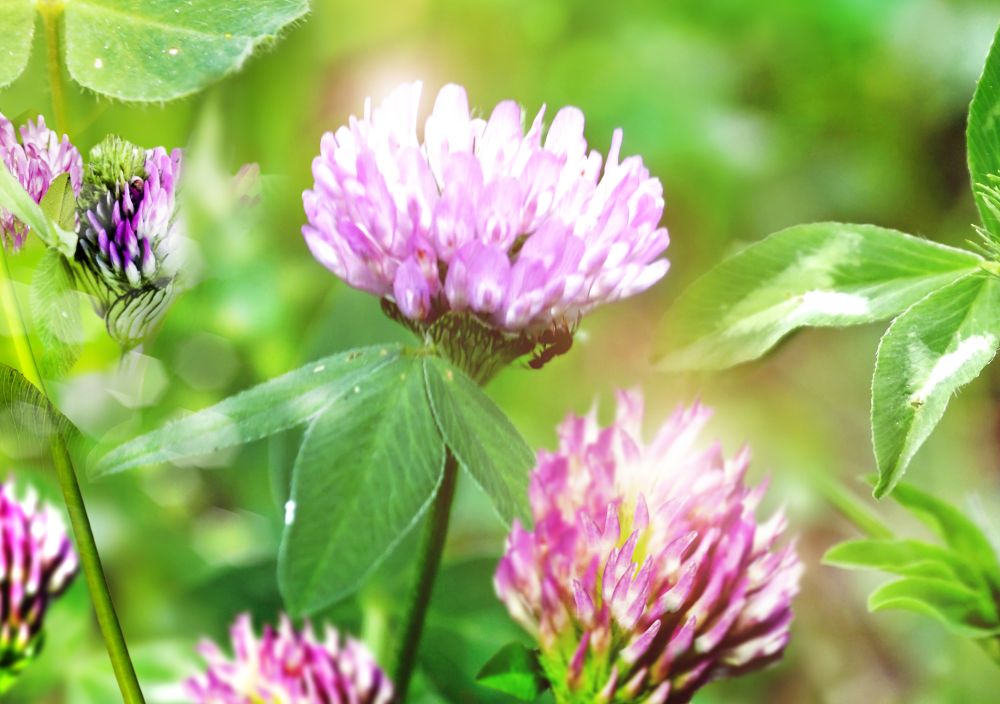
Its flowers provide nectar for bees, including long-tongued bumblebees that can reach deep into the individual florets.
Autumn sowing can help red clover establish before the following growing season, provided the soil remains suitable for germination and young plants survive winter conditions.
Choose a sunny location with soil that drains well, and sow the seeds according to the packet instructions.
Red clover can be incorporated into a wildflower patch or meadow-style planting, where its flowers add color among grasses and other native species.
Unlike forget-me-nots, red clover often flowers later in spring or during summer, depending on the climate and growing conditions.
3. Bird’s-Foot Trefoil Adds Yellow Flowers to Wildflower Meadows
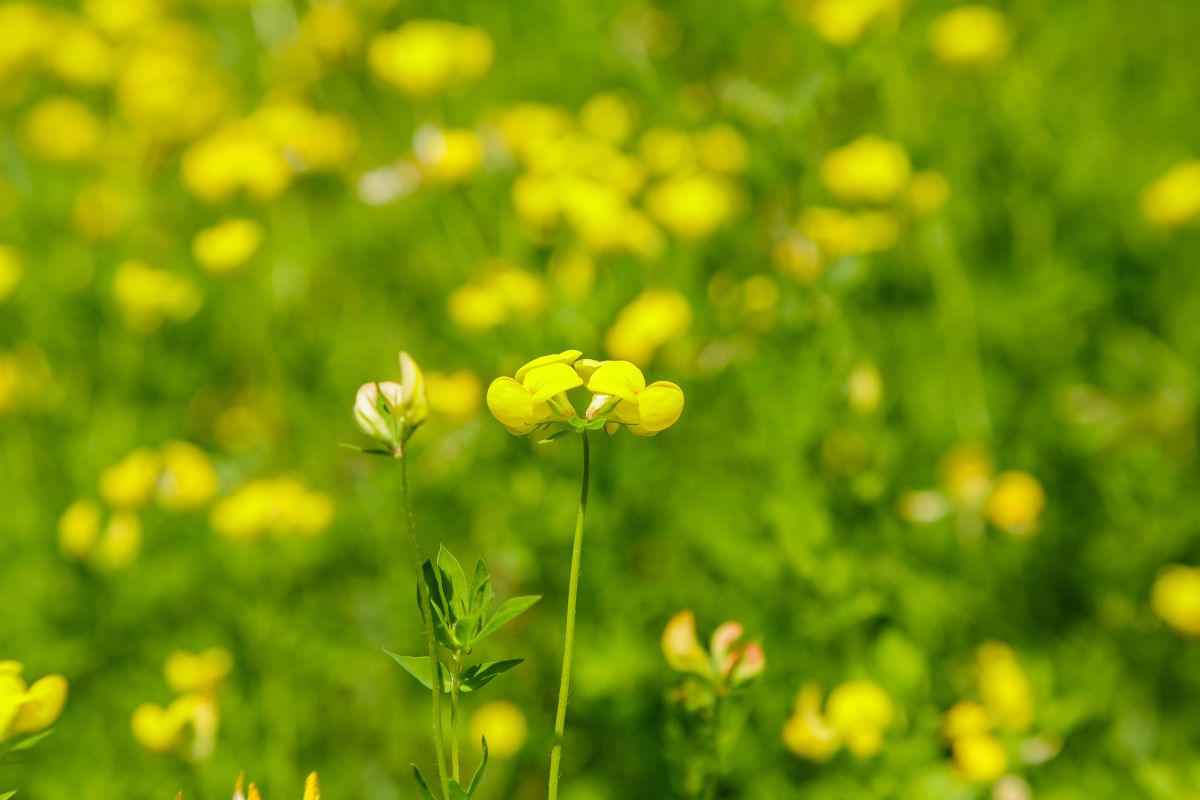
Bird’s-foot trefoil produces clusters of small yellow flowers that resemble miniature pea blossoms.
The plant grows close to the ground and can spread across open spaces, making it suitable for meadow-style gardens and areas where a natural planting scheme is preferred.
Its flowers provide nectar for pollinating insects, while the foliage serves as a food source for caterpillars of certain butterfly species.
Bird’s-foot trefoil can be sown in autumn where conditions allow, giving seeds exposure to seasonal moisture and cold before spring growth.
Select a sunny site with well-drained soil and avoid burying the small seeds too deeply.
The plant may take time to establish, and flowering is more common from late spring into summer rather than at the beginning of spring.
Why Autumn Sowing Can Give Wildflowers a Head Start
Some wildflower seeds require a period of cold, moist conditions before they germinate. This process, known as cold stratification, helps break dormancy in species that need it.
Autumn sowing allows winter weather to provide those conditions without requiring gardeners to refrigerate seeds before planting.
Rainfall can also help maintain soil moisture, while cooler temperatures may reduce competition from certain weeds.
For a small wildflower patch, remove existing weeds, loosen the soil surface, and scatter seeds at the recommended rate.
Seedballs offer another option. Their clay coating helps protect the enclosed seeds until moisture and weather conditions allow germination.
The timing and results depend on the species, local climate, and seed source. Not every wildflower needs winter cold, and autumn planting doesn’t guarantee earlier blooms.
Forget-me-nots may provide spring color, while red clover and bird’s-foot trefoil can extend the display into warmer months.
Sowing before winter gives these wildflowers an opportunity to establish ahead of the next growing season, bringing flowers and food for pollinators without waiting until spring to begin.


Leave a Reply