
“Still useful” and “accepted here” are different tests for a donation. A working item may be outside a store’s handling capacity, while furniture accepted at one branch may be refused at another. Checking the destination before filling the car saves a trip and keeps a well-meant donation from becoming somebody else’s disposal job.
One concrete example is Goodwill of Western and Northern Connecticut. Its policy lists accepted household items, exclusions, and even a location-specific exception for furniture. Those details belong to that organization; they should not be read as rules for every thrift store.
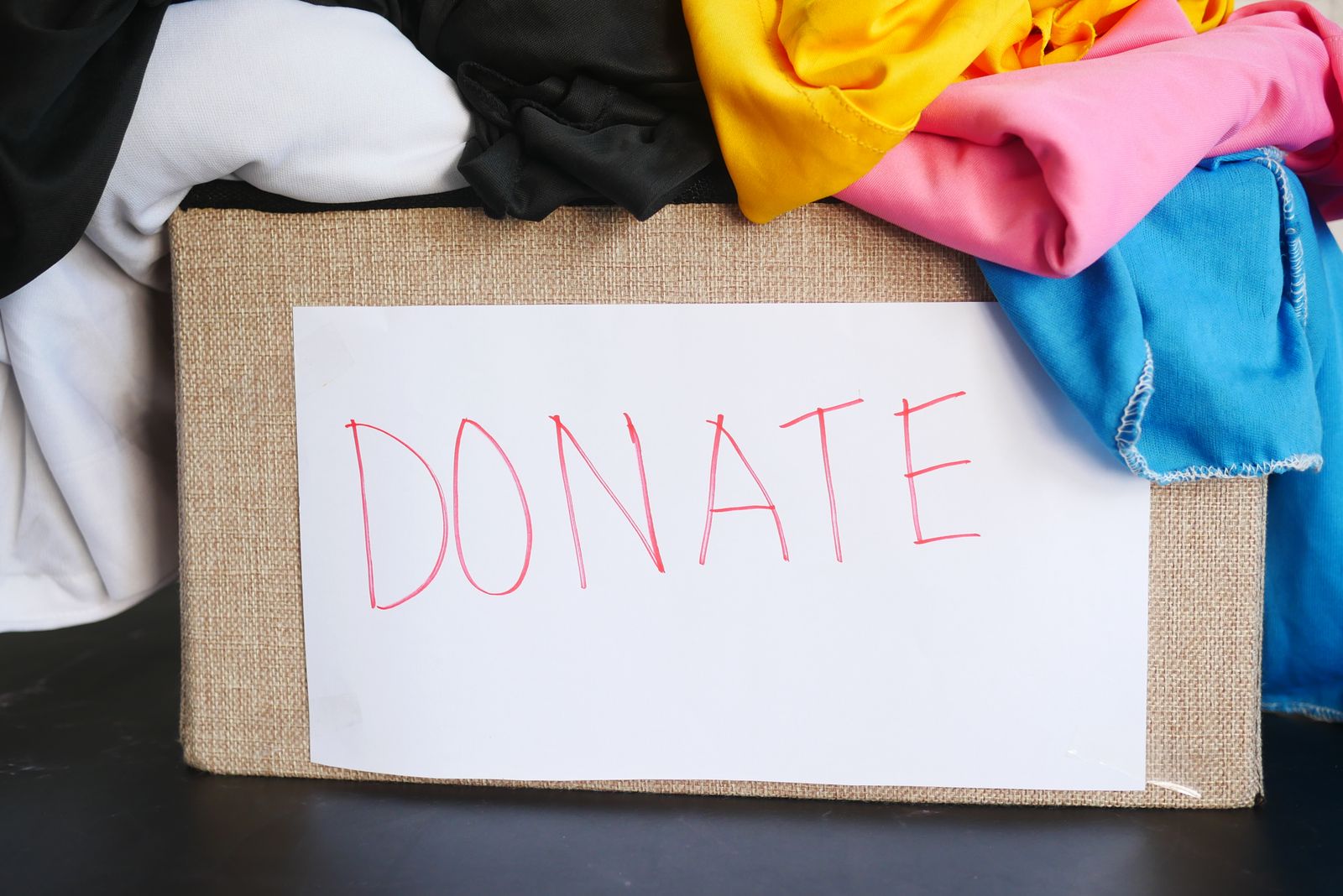
Choose a destination before making a donation pile
Open the local organization’s current acceptance page and check the exact category you want to donate. A general mention of housewares does not answer every question about electrical goods, large furniture, baby equipment, or items requiring repair. Call when the description is unclear, using a photograph and dimensions if they help identify the object.
Ask how donations are received as well as what is accepted. Confirm the drop-off location, hours, and any appointment or pickup requirements. A store’s shopping hours do not prove its donation area is open, and an outside bin is not permission to leave furniture beside it.
- Name the exact item and disclose any missing parts when asking whether it is accepted.
- Confirm the branch that will receive it and whether it needs an appointment.
- Check who will load or unload a large item before arranging transport.
Pack for the person opening the box
Clean and dry the items before packing, then group pieces that belong together. Keep a lid with its container and a removable appliance part with its base. Label a box with its contents so the receiving team does not have to open a stack of unrelated packages to find one item.
Protect fragile objects without making the box too heavy to lift. Inspect the condition as you pack; a cracked dish or damaged cord should not be hidden under a layer of towels. Set uncertain items aside for a question rather than including them and hoping the staff will decide later.
Give rejected items a real next step
If the first organization cannot accept something, ask whether it can suggest another route. Another reuse organization, a repair service, or a local recycling program may be appropriate, depending on the item. Each destination still needs its own acceptance check.
Goodwill Industries of Central Alabama also directs donors to review accepted and non-accepted goods and contact the local store with questions. That local check is more useful than a nationwide list that cannot reflect every branch’s space or services.
Keep the box small enough to finish the trip you planned. If you are clearing the kitchen first, our small-appliance storage audit can help separate equipment you use from equipment ready for another home.