
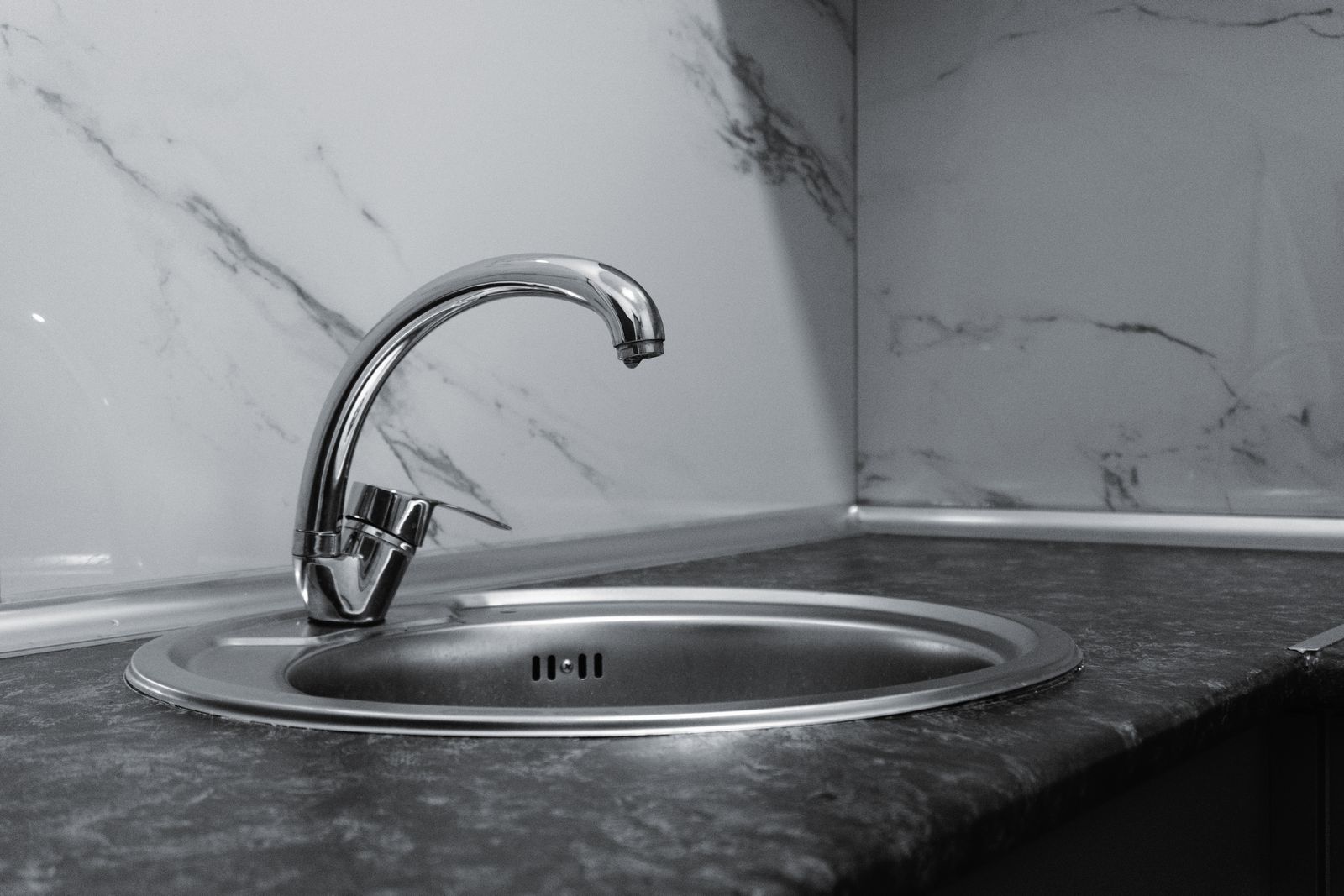
When the kitchen sink starts draining in slow motion, it’s tempting to grab whatever promises to clear it. But the first clue is where the water backs up. A kitchen sink that slows after dinner calls for a different first move than a shower with hair caught under the cover, or a sink that gurgles when the toilet flushes.
A video from Roger the Pipe Guy, shared by NewsBreak, pitches four household products for common drain problems: dish soap, hydrogen peroxide, white vinegar, and washing soda. The part worth taking from it is that different symptoms point to different problems. Start by checking whether one fixture is affected or several.
Watch the original drain video
Watch Roger the Pipe Guy’s original video on YouTube.
Only one drain is slow? Check what you can reach
In a shower, lift the removable strainer if the design allows and look for hair. Pull out what you can reach with a plastic drain tool instead of trying to wash the hair farther down. In a kitchen sink, remove scraps from the strainer first. If you haven’t used a chemical opener, a sink plunger can help with a soft blockage near the trap. On a double sink, plug the other opening so pressure stays in the drain you’re plunging. Roto-Rooter’s sink-plunging guide walks through the method.
If the water drains a little faster and slows again after the next load of dishes, the obstruction may still be there. A little fizz can make it look like something is happening at the surface. Here’s what baking soda and vinegar can and can’t do in a drain.
When to put the bottle down
If two or more fixtures back up, or running one sends water up another, stop using the affected fixtures and call a plumber. Mention which fixtures are involved and whether you already poured anything down a drain. If a chemical opener is sitting in backed-up water, leave it alone. Avoid plunging, opening the trap, or adding another product. Poison Control warns that mixing household cleaners can create dangerous reactions and that caustic drain products can injure you if they splash.