

Raking and mowing can share the same fall-cleanup plan. Scattered dry leaves may be suitable for mulching into grass, while a dense wet layer needs attention before it blocks the light below. Walk the lawn first, because the amount gathered beside a fence may call for a different method from the open center.
Iowa State Extension explains that accumulated leaves can interfere with turf growth and that chopping leaves with a mulching mower can return organic matter to the soil. What matters is whether the pieces can settle into the grass instead of covering it.
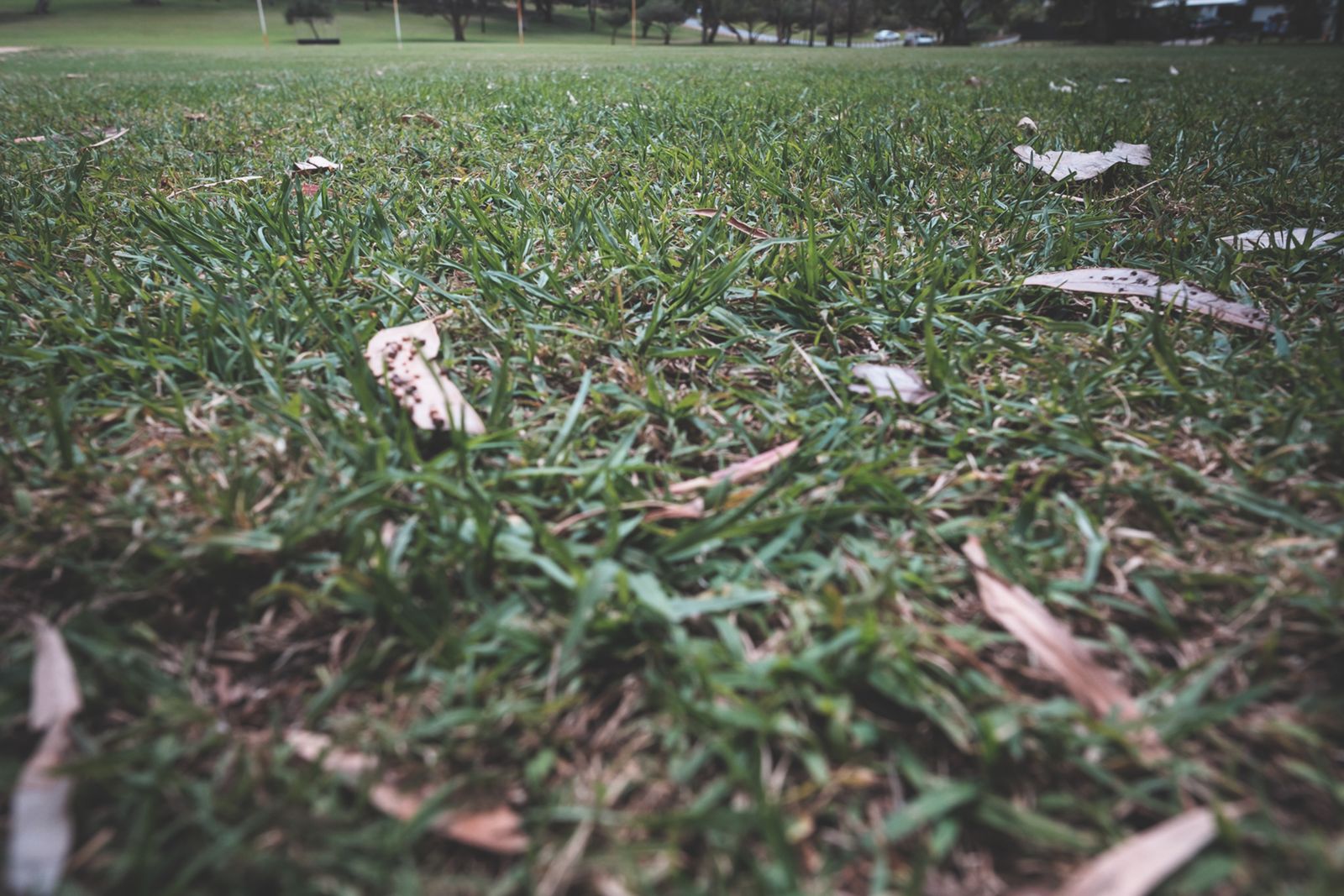
Inspect the layer before starting the mower
Walk across the area and look for grass showing between the leaves. Check low spots and the edges of fences, where wind can gather much more foliage than in the center. If leaves have formed a compact mat, remove enough material to expose the lawn rather than expecting one pass to make it disappear.
Wet and dry leaves also require different handling. The University of Minnesota’s fall leaf-mulching guidance recommends working when leaves are dry and making another pass when a finer mulch is needed. Wait for workable conditions and follow your mower’s instructions for mulching or collection.
Judge the result, not the number of passes
After mowing a test strip, stop and inspect it. Small fragments scattered among visible grass blades are a different result from shredded material piled on top. If the lawn remains buried, collect some leaves and give them another destination rather than adding more passes over an overloaded area.
Heavy leaf fall may call for several smaller cleanup sessions. Minnesota’s fall lawn-care questions and answers notes that there can be too many leaves to mulch into the lawn and suggests combining mulching with removal. You do not have to choose a single method for the entire property.
Give collected leaves a destination
Set aside suitable material for your compost system or other garden uses instead of pushing a dense pile onto another section of grass. Check the requirements for the destination first; a path, storm drain, and garden bed do not serve the same purpose.
Leave intact leaf habitat in places where it fits your garden plan, while keeping walkways and turf that you maintain as lawn usable. The question is where leaves can remain without creating a different problem, not whether the whole yard must look bare.
If you are also cleaning up vegetable beds, our guide to composting spent tomato plants explains why the condition of garden material matters before it joins a compost pile.