

Turmeric gives rice, soups, and vegetables their yellow color, but one of its best-known compounds presents a problem after the food is eaten. Curcumin, a substance studied for its potential antioxidant and anti-inflammatory effects, is absorbed poorly and undergoes rapid metabolism, limiting how much reaches the bloodstream.
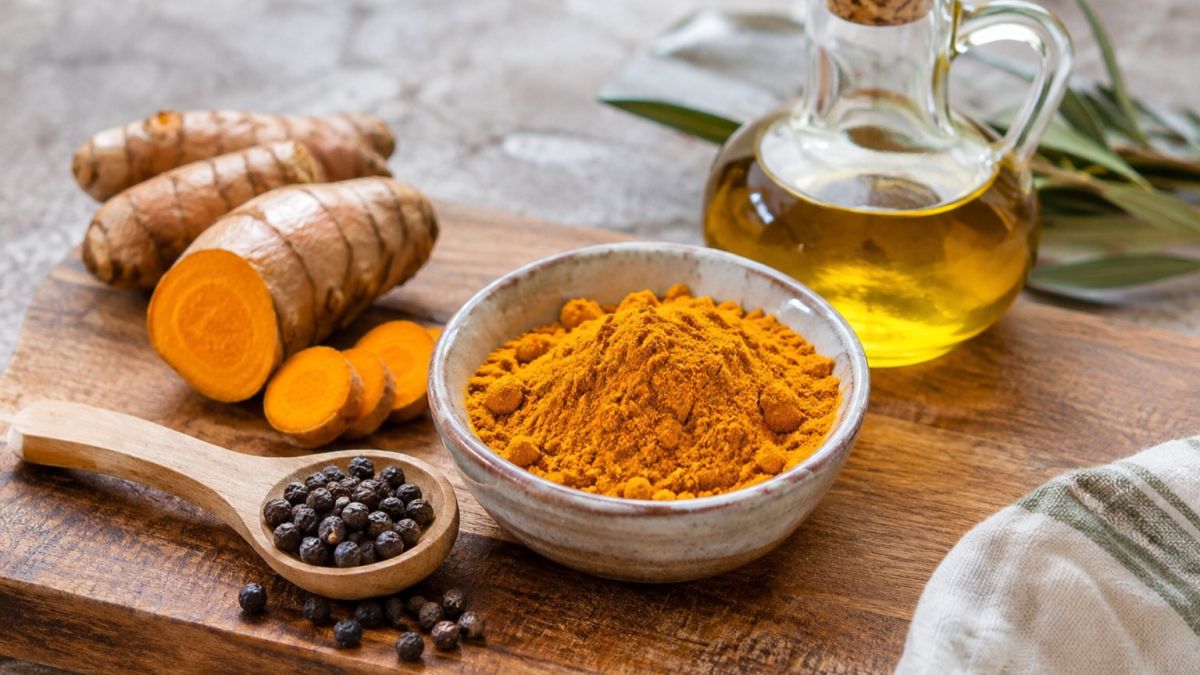
Black pepper introduces piperine, a compound that can increase curcumin exposure in the body. Olive oil adds fat, which may help curcumin dissolve during digestion and become available for absorption.
Combining these three kitchen ingredients has become a popular dietary practice, although greater absorption doesn’t guarantee better health outcomes. The quantities used, food preparation, and differences between individuals can affect how the body processes curcumin.
Black Pepper Changes How the Body Handles Curcumin
Curcumin is one of the main curcuminoids found in turmeric. It has low water solubility and is broken down and processed after entering the digestive system.
These properties limit its bioavailability, meaning the amount that reaches circulation in a form the body can use.
Black pepper contains piperine, an alkaloid responsible for part of its pungent taste.
Research has shown that piperine can increase curcumin exposure by affecting processes involved in its metabolism and transport.
A small human study published in Planta Medica in 1998 reported a substantial increase in curcumin bioavailability when a concentrated dose was combined with piperine.
However, the study used amounts far greater than those found in a serving of seasoned food. Its results cannot establish how much curcumin someone absorbs from a meal containing turmeric and a pinch of black pepper.
Piperine can also affect how the body processes certain medications, making concentrated supplements different from ordinary culinary use.
Olive Oil Adds Fat, but the Mixture Isn’t a Treatment
Curcumin dissolves poorly in water and has an affinity for fats, which explains why oils are often included in turmeric preparations.
During digestion, dietary fats participate in processes that can help transport fat-soluble compounds through the intestine.
Adding olive oil may support curcumin’s incorporation into these digestive structures, although the amount absorbed from a specific recipe hasn’t been established.
For cooking, turmeric can be combined with a small amount of black pepper and olive oil before being added to roasted vegetables, rice, lentils, or other dishes.
The mixture doesn’t require a special preparation method or a concentrated dose to be used as seasoning.
Research continues into curcumin’s possible health effects, but improved absorption alone doesn’t prove that eating the combination prevents inflammation, treats arthritis, or protects against disease.
High-dose turmeric or curcumin supplements also carry risks that don’t apply in the same way to typical food portions. Some concentrated products have been associated with liver injury, and piperine may interact with medications.
Black pepper can affect curcumin metabolism, while olive oil provides fat that may assist absorption. The combination changes how curcumin may be handled during digestion, but it doesn’t turn turmeric into a proven medical treatment.
Sources: National Center for Complementary and Integrative Health — Turmeric, PubMed — Influence of Piperine on the Pharmacokinetics of Curcumin, LiverTox — Turmeric

Leave a Reply