

Using paint that looks like wood, you can transform an ordinary white door into a stunning masterpiece. In this article, we’ll walk you through the process of achieving a realistic wood grain effect using readily available materials and a few simple techniques.

By following our step-by-step instructions, you’ll be able to elevate the aesthetic appeal of any plain white door, adding warmth and sophistication to your space. This guide covers five essential steps: making preparations, sanding the door, applying the base coat, creating the wood grain effect, and sealing and finishing the door. Learn more in the FAQs section below.
1. Make preparations

- Gather all materials: gel stain or wood stain, pre-stain wood conditioner, clear polyurethane, rubber gloves, plastic drop cloth, stain brush, cheesecloth, and fine-grit sandpaper (around 220-grit). We used both gel stain and wood stain to obtain a two-tone color.
- Remove any hardware from the door (e.g., handles, locks) and set them aside.
- Lay the plastic drop cloth on the ground to protect your floor from any stains.
- Clean the door surface with a damp cloth to remove any dirt, dust, or grime, and let it dry completely.
2. Sand the door
- Lightly sand the entire door surface using fine-grit sandpaper to create a slightly rough texture, which will help the stain adhere better.
- Wipe down the door with a clean, damp cloth to remove any sanding dust.
3. Apply the base coat

- Put on your rubber gloves to protect your hands from the stain.
- If you are using a wood stain, apply a pre-stain wood conditioner to help the stain absorb more evenly. Follow the manufacturer’s instructions for proper application and drying time.
- Apply a thin, even coat of gel stain or wood stain to the door using the stain brush. Use long, straight strokes, following the direction of the wood grain pattern you want to create. If your door has panels, start with the panels and work your way out to the outer edges of the door.
- Allow the base coat to dry completely, following the manufacturer’s recommended drying time.
4. Create a wood grain effect

- Apply a second coat of gel stain or wood stain to the door, using the same technique as above.
- While the second coat is still wet, use the cheesecloth to gently wipe off excess stain, following the direction of the wood grain pattern you want to create. This will help reveal the wood grain effect.
- Experiment with different techniques to create a more realistic wood grain pattern. For instance, twist or fold the cheesecloth, or use a wood-graining tool to add texture and variation to the pattern.
- Allow the door to dry completely, following the manufacturer’s recommended drying time.
5. Seal and finish the door

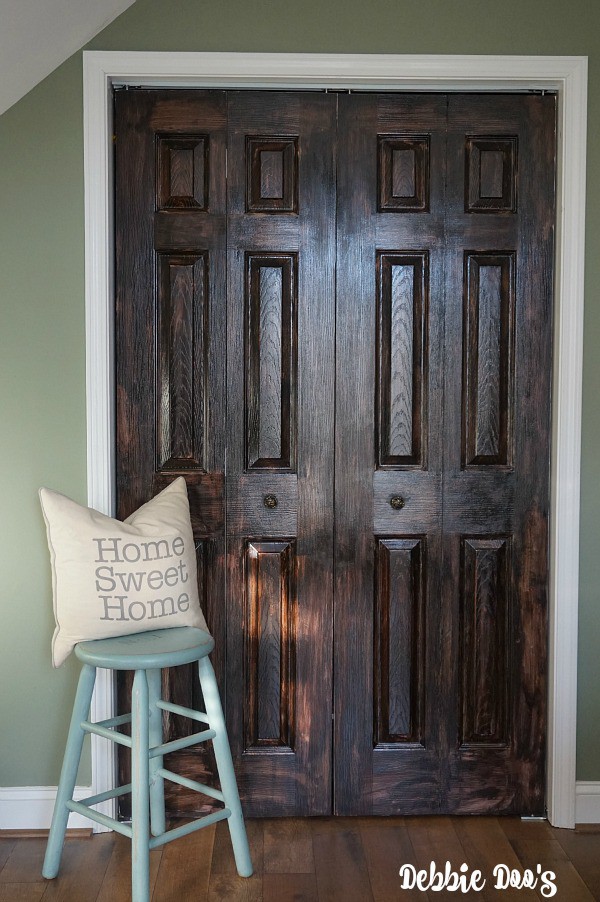
- Apply a clear polyurethane or similar topcoat to the door using a clean brush, following the manufacturer’s instructions for application and drying time. This will seal the stain and protect the door from wear and tear.
- Once the topcoat is dry, reattach any hardware you removed from the door.
- Reinstall the door and admire your work!
FAQs
Learn more about dealing with paint that looks like wood.
How do I paint a garage door to look like wood?
Painting a garage door to look like wood involves a few additional considerations compared to a regular door due to its size, material, and outdoor exposure. For instance, you should apply a coat of primer suitable for the garage door material (e.g., metal, fiberglass, or vinyl) using a paint roller. If desired, use a fine paintbrush and a slightly darker or lighter shade of paint to add knots and other wood details to the door.
How do I paint concrete to look like wood?
Compared to a white wooden door, painting concrete to look like wood requires a few extra steps. For example, you must repair any cracks or damage in the concrete with a concrete patching compound. It is also necessary to apply a concrete primer using a paint roller, in order to help the paint adhere to the concrete surface and ensure a long-lasting finish.
Is there regular or spray paint that looks like wood?
Yes, there are both regular and spray paints available that can mimic the appearance of wood. For example, specialty regular paints are formulated to create a faux wood finish. They typically come in sets, with one color for the base coat and another for the wood grain effect. You’ll need to apply these paints in layers, following the specific instructions provided by the manufacturer, to achieve the desired wood-like appearance. Spray paint that mimics wood is also available, and it’s typically sold as a “faux wood grain” or “wood finish” spray paint. These paints usually require multiple coats to achieve the desired effect. When using spray paint, it’s essential to follow the manufacturer’s instructions for application, distance, and drying time. Be sure to work in a well-ventilated area and protect any surfaces you don’t want to be painted with drop cloths or painter’s tape.
How do I paint metal look like wood?
Painting metal, such as a metal door, to look like wood is similar to working with a white wooden door. However, you need a metal primer and paint suitable for metal surfaces, in two different shades for the base coat and wood grain.
What paint colors look like wood?
To create a faux wood finish, you’ll need to select paint colors that closely resemble the natural tones of wood. Wood comes in a variety of shades, so you can choose a combination of colors that best match the type of wood you want to replicate. Here are some common wood types and their corresponding paint colors:
- Pine (base coat + wood grain): light beige or pale yellow + medium golden brown
- Oak (base coat + wood grain): light tan or pale gold + medium to dark brown with a hint of red
- Cherry (base coat + wood grain): light reddish-brown or pinkish-tan + dark reddish-brown
- Walnut (base coat + wood grain): medium to dark brown with a hint of red + dark chocolate brown
- Mahogany (base coat + wood grain): dark reddish-brown or maroon + deep reddish-brown or dark chocolate brown
- Maple (base coat + wood grain): creamy white or very light beige + light to medium golden brown
How do I create distressed painted wood?
To create distressed painted wood, you’ll need to sand the wood surface, apply primer (optional) and paint, then use sandpaper to strategically remove paint in areas where natural wear and tear would occur, such as edges and corners. This process gives the wood a rustic, vintage appearance by revealing the wood or underlying paint layers in some areas. Creating a distressed wood effect without painting or staining is also possible.
Conclusion
Whether you’re a seasoned DIY enthusiast or a beginner looking to experiment with new home improvement projects, this guide provides you with the knowledge and confidence to create a convincing wood grain effect that will leave your guests impressed. Be sure to return to this page and let us know how your wood-like painted door turned out. For bolder colors, find out how to paint your pantry door red.

Leave a Reply