
tcan turn out dense, lumpy, or gluey even after adding milk and cream. Pouring in more liquid may loosen the mixture, but it doesn’t fix potatoes that weren’t cooked through or have been worked too much. Another method skips the milk and uses melted butter as the main ingredient for creating a rich, smooth mash.
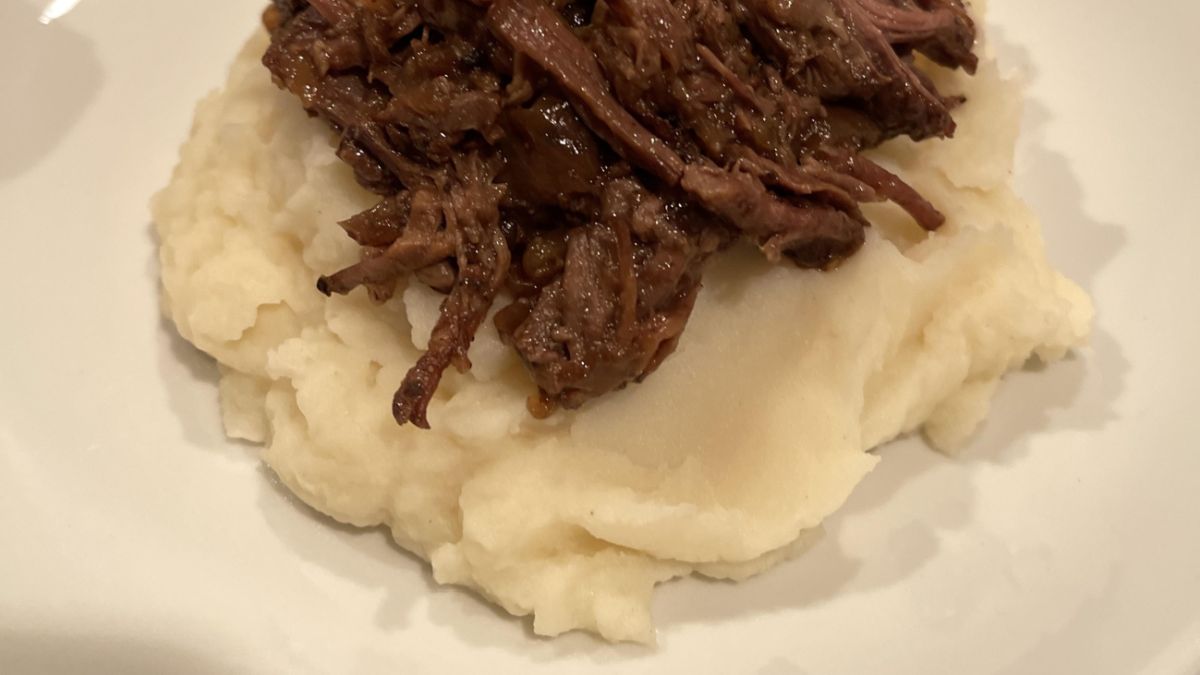
Butter adds fat without introducing as much water as milk. When mixed into hot, cooked potatoes, it coats the starch-rich mixture and contributes a smooth texture while preserving the potato flavor.
The method uses a substantial amount of butter, added after draining the potatoes. Cooking water can be reserved for adjusting the consistency, but the butter goes in first.
Melted Butter Changes the Texture Without Adding Milk
Potatoes contain starch granules that absorb water and swell during cooking. Once the potatoes are tender, mashing breaks apart their structure and creates the familiar soft texture.
Milk and cream introduce both liquid and fat, while butter provides a higher proportion of fat.
Adding melted butter to hot potatoes gives the mash richness without requiring a large amount of additional liquid.
The fat contributes a smooth mouthfeel and helps coat the potato particles. However, butter doesn’t prevent gluey mashed potatoes if the mixture is overworked.
Starchy varieties, such as russet potatoes, are suited to a fluffy mash because their cooked flesh breaks apart with less effort than waxy potatoes.
Cooking the potatoes until tender matters as much as the ingredient added afterward. Firm centers can leave lumps that become difficult to remove without excessive mashing.
How to Make Mashed Potatoes With Butter Instead of Milk
For approximately 1,300 grams (2.9 pounds) of potatoes, the method uses 220 grams (7.8 ounces) of butter.
Peel the potatoes and cut them into quarters or eighths, depending on their size. Keeping the pieces close in size helps them cook at the same rate.
Place the potatoes in a pot of salted water, bring to a boil, then reduce the heat to a simmer.
Cook until a fork passes through the pieces without resistance and the potatoes begin to break apart when pressed.
Drain the potatoes and reserve some of the cooking water before returning them to the pot.
Allow excess steam to escape, then add the melted butter while the potatoes are still hot.
Mash with a potato masher or pass the potatoes through a ricer, stopping once the mixture reaches the desired consistency.
If the mash feels too thick, add a small amount of reserved cooking water and fold it into the potatoes.
Avoid prolonged stirring or using a blender, since excessive agitation can release more starch and produce a sticky texture.
Taste before serving and adjust the salt if needed.
The result depends on the potato variety, how much moisture remains after draining, and how the mixture is handled.
Melted butter provides richness without relying on milk or cream, while tender potatoes and limited mashing help prevent lumps and a gluey finish.


Leave a Reply