

Your weather app shows a 70% chance of rain, so you cancel outdoor plans or grab an umbrella before leaving home. But does that number mean rain will fall for 70% of the day, cover 70% of your city, or arrive with enough force to soak everything outside? None of those interpretations explains what the percentage measures.
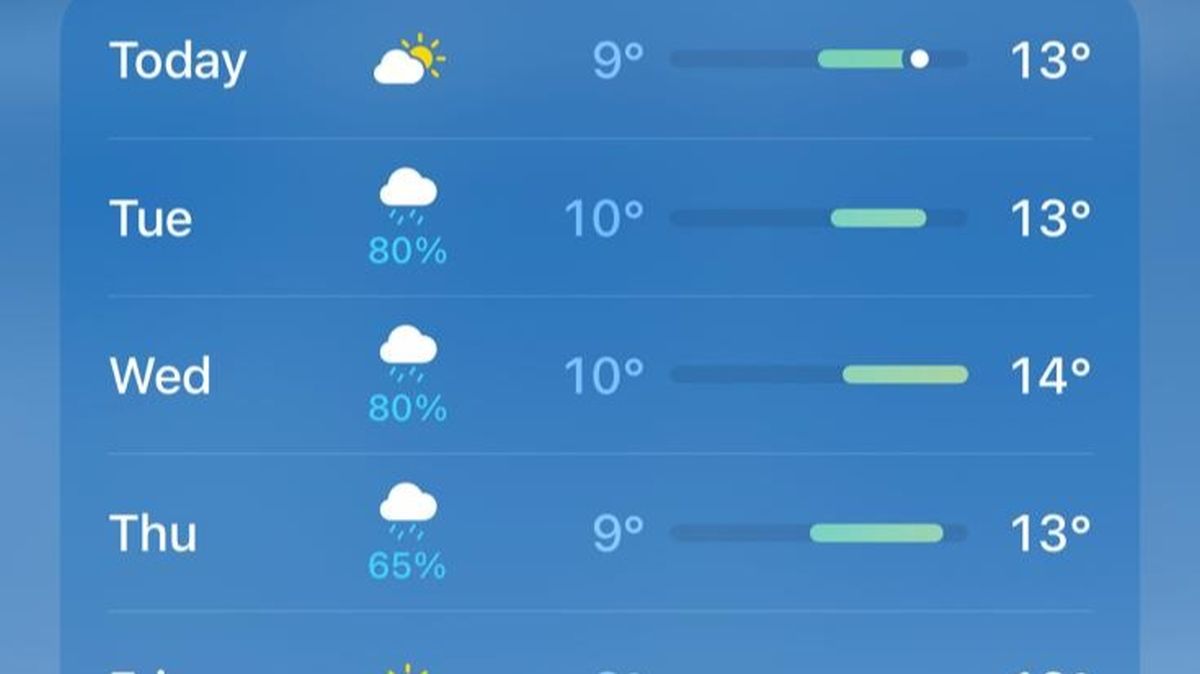
Weather forecasts use precipitation probability to express the chance that measurable rain will occur at a specific location during a defined period. A 70% forecast means there is a seven-in-ten chance of rain at that location within the forecast window, not that rain will last for seven hours out of ten.
The number comes from weather models and meteorological analysis, not a measurement of how much water will fall. Understanding the difference can help when deciding whether to change plans or prepare for a passing shower.
A 70% Chance of Rain Doesn’t Mean 70% of the Day Will Be Wet
Grahame Madge, a spokesperson for the UK Met Office, explains that meteorologists use data from satellites, ocean buoys, and other observations to build weather forecasts.
One method involves ensemble forecasting, which runs weather models multiple times with changes to their starting conditions.
If seven out of ten model runs predict rain, that can contribute to a forecast showing a 70% probability of precipitation.
The percentage represents the likelihood of rain, not its duration or intensity.
Meteorologist Crystal Egger explains that a 60% chance of rain means a 60% probability that a particular location will receive measurable precipitation during the forecast period.
That doesn’t mean 60% of the surrounding area must receive rain or that rainfall will occupy 60% of the day.
A forecast showing an 80% chance could produce a brief shower, while a day with a 20% chance could bring a substantial downpour if a storm reaches the location.
The percentage alone doesn’t tell you how heavy the rain will be.
Check the Hourly Forecast Before Changing Your Plans
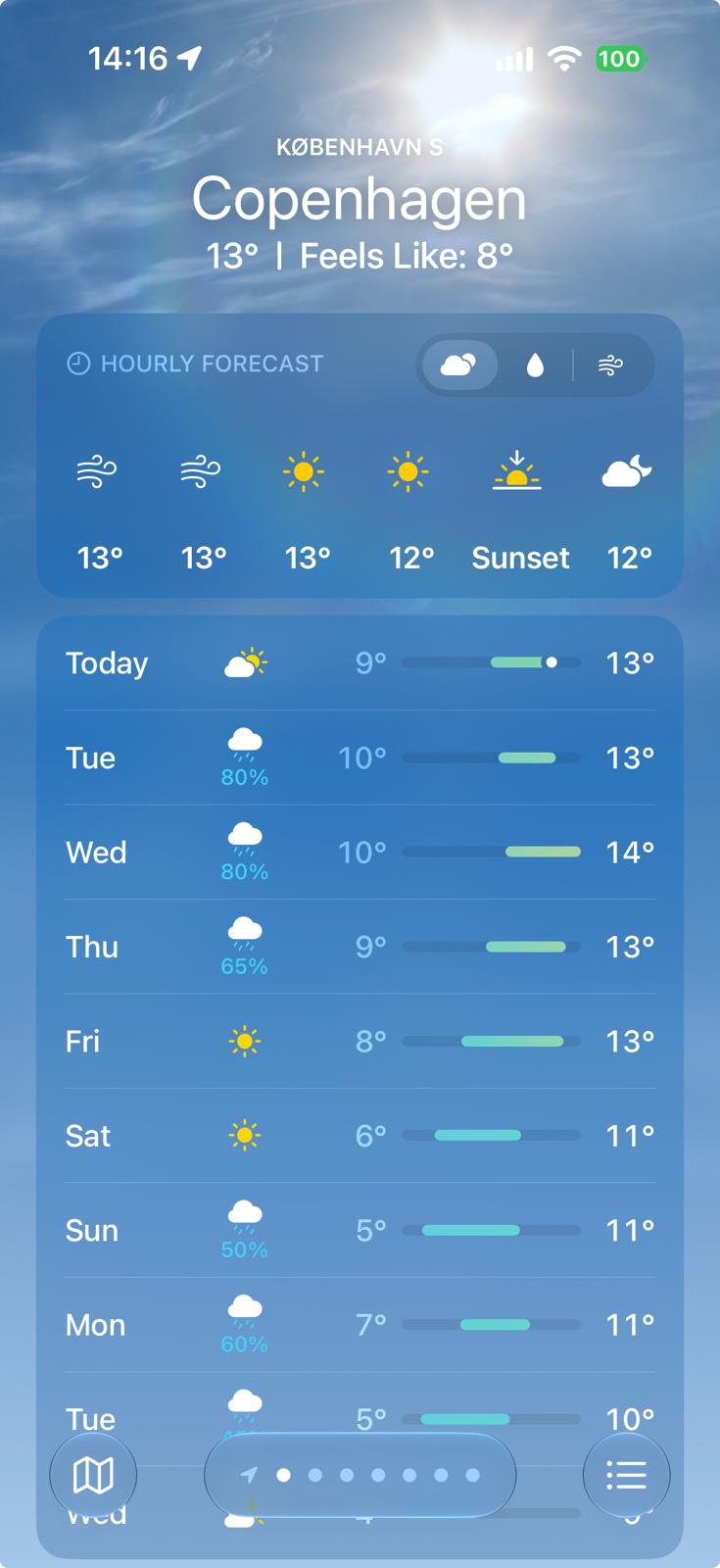
A rain symbol on a weather app can represent a chance of precipitation during a period that covers several hours.
For example, a daily forecast might show a high chance of rain even when the expected showers are confined to the morning.
Checking the hourly breakdown can reveal when rain is expected and whether the forecast suggests light showers or heavier precipitation.
Madge recommends looking beyond the main weather symbol and examining the hourly rainfall information before deciding whether outdoor plans need to change.
Rain probability and expected rainfall amount answer different questions. The first describes the chance of precipitation, while the second estimates how much may fall.
A 70% chance doesn’t guarantee rain, and a 30% chance doesn’t guarantee dry weather.
Forecasts also contain uncertainty because changes in storm movement, wind, and other atmospheric conditions can affect where rain falls.
When your weather app shows 70%, read it as the chance of measurable rain at your location during the stated period, not the amount of the day that will be wet.



Leave a Reply