
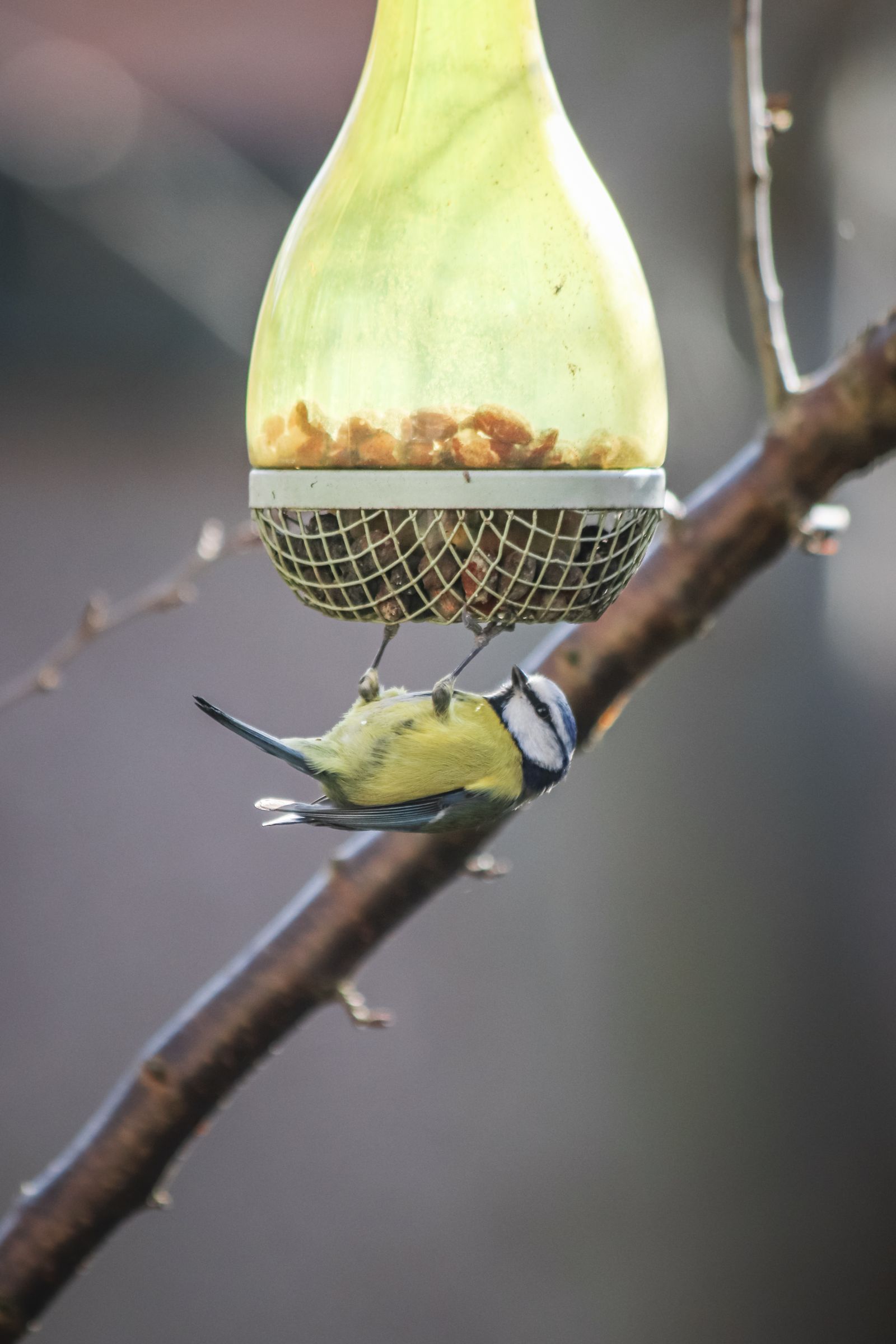
When a wildlife agency tells you to take a bird feeder down, take a look at the ground under it before going back inside. Seed and shells may be scattered through the grass, under a deck rail, or in a bed the feeder hangs over. Removing the feeder takes away the main attraction. Cleaning up the spill removes what’s still within reach.
Check local guidance before you hang it back up
A reminder to remove feeders may be tied to bear activity in a particular town or region. Timing varies, and a date that works in one place might be a poor guide in another. MassWildlife’s bear conflict guidance treats birdseed as a food attractant. Read the guidance from your own wildlife agency and follow any local notice on when to stop feeding and when it can resume.
Look where the seed lands
On a paved patio, sweep under the hook and along the nearest edge, where wind can push the seed. In a planting bed, pick up visible piles and move the empty feeder into secure storage. Check the bag of seed too. A bag left on a porch still puts food outdoors after the feeder is gone. Take a look at nearby pet food, trash, and other food sources while you’re there.
If you want to watch birds during the break, note which shrubs or trees they visit on their own. Seed heads and native plants can make the yard worth watching even with the hook empty. When local guidance allows the feeder back up, start with an amount you can keep fresh and check what ends up underneath it. If seed is piling up again, change the amount or the feeder setup before adding another scoop. That small bit of housekeeping is easier to do each time you refill than after a season of spills.
Leave a Reply