
Winter changes the light reaching a peace lily even when the pot has not moved. Shorter days, a heating vent coming into use, or a curtain closed for longer can alter the spot that worked through summer. Reassessing that location is more useful than watering the plant on the same timetable and waiting for another flower.
UF/IFAS describes bright, indirect light as suitable for Spathiphyllum. That gives you a condition to look for, rather than an instruction to place every peace lily on a windowsill regardless of exposure.
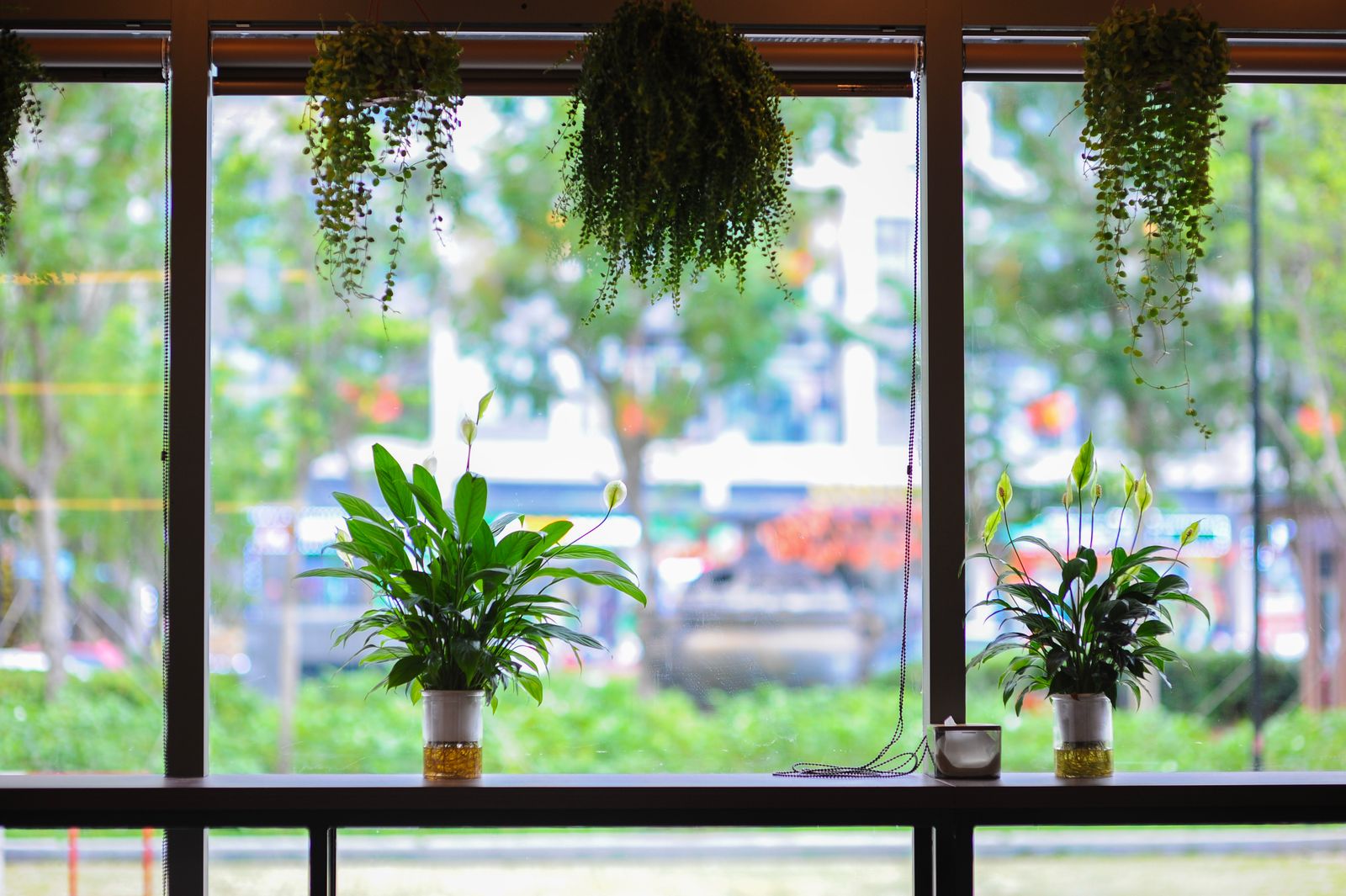
Observe the window across the day
Check where the light falls in the morning and afternoon and whether the leaves receive direct sun. Look beyond the room’s brightness from where you sit: a plant behind a curtain or around the side of a cabinet may be in a different environment.
NC State’s Spathiphyllum guidance distinguishes the plant’s light and moisture needs and advises against soggy soil. If you move it to improve light, choose a position that also avoids cold drafts and the path of hot air from heating equipment. Keep leaves away from cold glass.
Let the pot influence the watering decision
Check the growing mix before watering and make sure excess water has somewhere to drain. Do not leave the nursery pot standing in a filled decorative cover. Record when you water and how the soil feels at the next check; the interval may differ from summer without needing a universal number of days.
A drooping leaf is a reason to inspect the plant, not enough evidence to prescribe another drink. South Dakota State Extension notes several possible causes of brown tips, including moisture, humidity, light, and fertilizer issues. Review the conditions together rather than diagnosing the plant from a single symptom.
Photograph the plant, note the current location, and choose the adjustment supported by what you found. If you move it, add fertilizer, change water, and repot on the same day, it becomes much harder to understand which change affected its condition.
Watch the whole plant and later growth rather than judging success by an immediate bloom. A winter check is about keeping its growing conditions suitable; it is not a promise that a light change will produce flowers on demand.
If another patterned houseplant is also showing damage, our prayer-plant leaf check uses the same habit of recording conditions while addressing Maranta’s own requirements.