

Japanese maple leaves can develop brown, crispy edges during hot weather, even when the tree receives water. The damage often begins at the tips before spreading across the leaf, leaving red or green foliage scorched and curled. Adding more water may not solve the problem if direct sunlight and high temperatures are causing the stress.
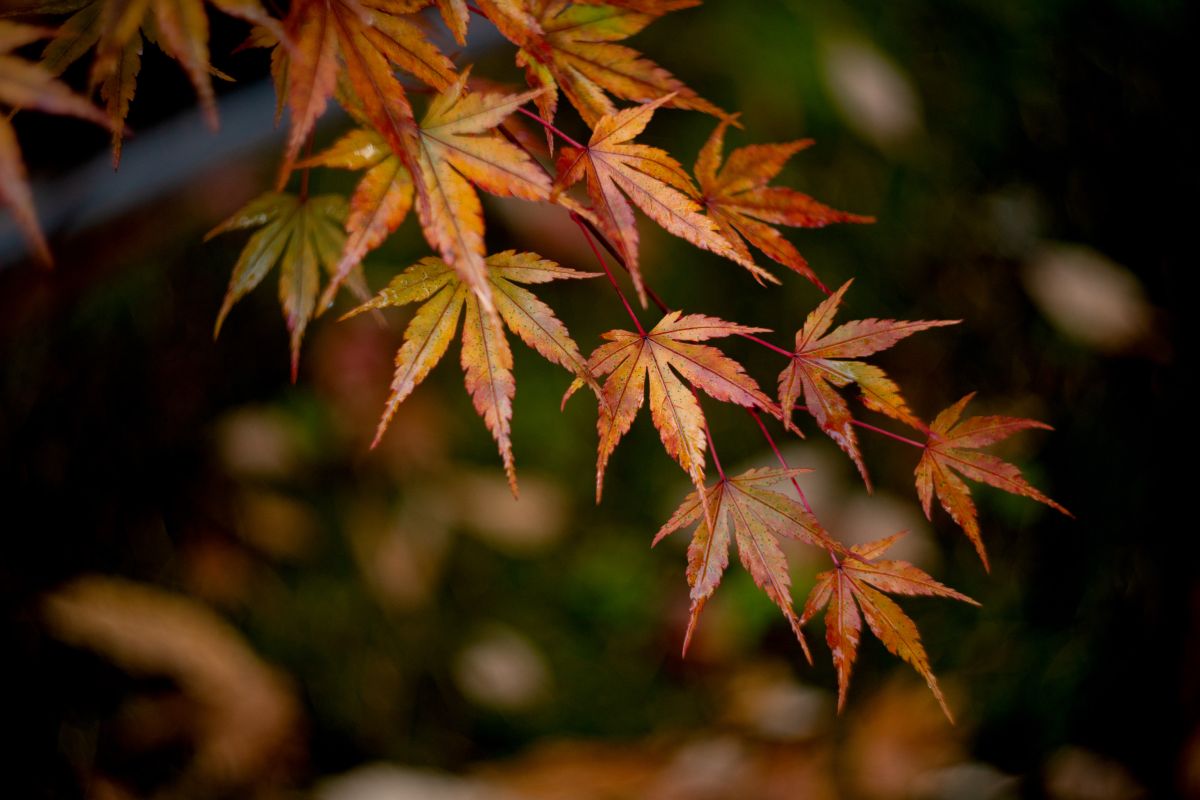
Japanese maples have delicate leaves that can lose moisture faster than their roots can replace it during intense heat. Trees growing in exposed locations or containers are vulnerable when afternoon sunlight strikes the foliage for hours.
One method uses frost fleece, a material associated with protecting plants from winter cold. Placed over a Japanese maple, it can provide temporary shade, although the type of fabric and airflow matter during summer.
Frost Fleece Can Reduce Direct Sunlight on Japanese Maple Leaves
Frost fleece is a lightweight garden fabric designed to protect plants from cold weather. Some breathable types also filter sunlight when used as a temporary cover.
Reducing direct sun exposure can help limit further leaf scorch during periods of intense heat.
For Japanese maples planted in the ground, temporary shade can be useful when moving the tree isn’t an option.
The fabric should be supported above the branches rather than wrapped against the leaves. A simple frame allows air to circulate and prevents the material from pressing against delicate foliage.
Not every frost fleece is suitable for summer use. Heavy covers can trap heat, restrict ventilation, and increase stress during hot weather.
Breathable shade cloth designed for summer protection is often a better option during prolonged heatwaves.
Position the cover to reduce exposure to strong afternoon sunlight while allowing air to move around the canopy.
Leaves that have turned brown won’t regain their original color. The purpose of providing shade is to protect the remaining foliage and reduce further damage.
Mulch and Water Help Protect the Roots From Heat
Sun exposure isn’t the only factor behind scorched Japanese maple leaves. Dry soil and hot roots can make it harder for the tree to replace moisture lost through its foliage.
Check the soil beneath the surface before watering. If it feels dry, water the root area until moisture reaches deeper into the soil.
Container-grown Japanese maples may need more frequent checks because pots can heat up and lose moisture faster than garden soil.
A layer of organic mulch can help reduce evaporation and moderate soil temperature.
Spread one to two inches of pine bark, pine straw, or another suitable organic mulch around the base of the tree.
Keep the material a few inches away from the trunk to prevent excess moisture from collecting against the bark.
For potted trees, moving the container into a location with morning sun and afternoon shade can reduce exposure without covering the foliage.
Avoid keeping the soil saturated, since Japanese maples need moisture without prolonged waterlogging.
Brown leaf edges may remain until the tree produces new foliage, but reducing heat stress can help protect healthy leaves.
Frost fleece can provide temporary shade when suitable for warm weather, while watering and mulch address moisture loss around the roots. Neither treatment reverses scorched leaves, but both can help prevent further damage.


Leave a Reply