

Three discarded wooden pallets became the starting point for a desk that sold for $1,000. Instead of stacking the pallets or using their boards as a plain tabletop, the wood was cut into small diamond shapes and arranged into a geometric pattern. Black epoxy filled the gaps, creating a surface that looks like a collection of three-dimensional cubes.
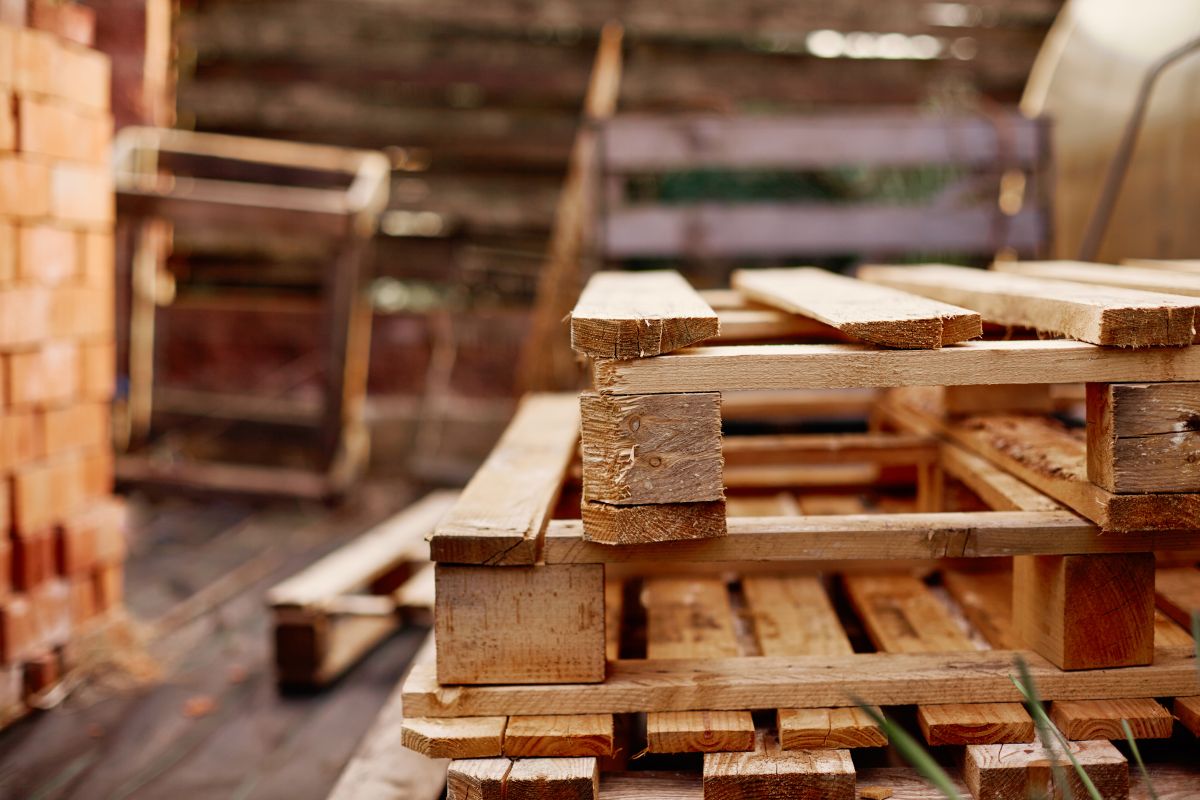
Woodworker Morley Kert collected the pallets for free and used their boards to build the desktop. The project required $246 in materials, including resin and other supplies, leaving $754 from the sale before accounting for labor, tools, and other expenses.
The finished piece combined different wood tones, angled cuts, and dark resin lines. Although the desktop was shown mounted on an adjustable standing-desk frame, the $1,000 sale was for the desktop alone.
Three Free Pallets Provided the Wood for the Desktop
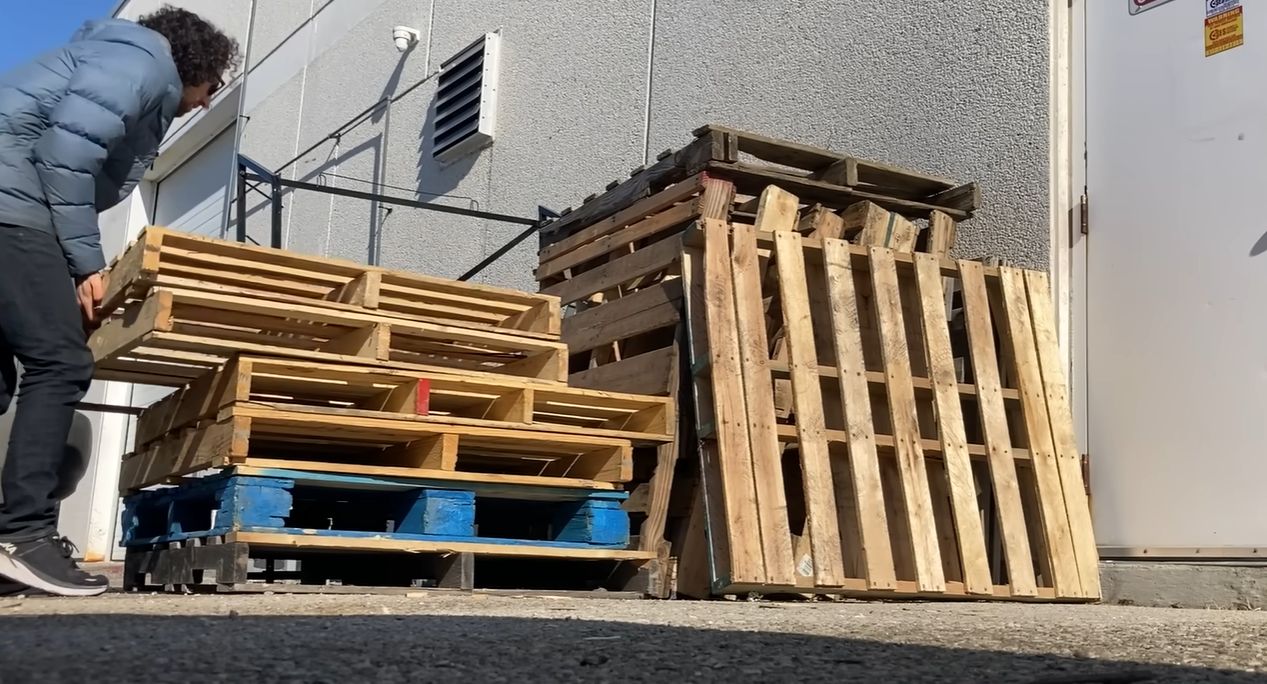
The project began with a stack of discarded shipping pallets outside a building. Their boards varied in color, thickness, and condition, giving the wood a mix of grain patterns that would become part of the finished design.
Kert dismantled the pallets and selected usable pieces rather than keeping the original pallet structures intact.
Before cutting, the boards needed preparation to remove rough surfaces and create consistent dimensions.
Pallet wood can contain nails, dirt, and damaged sections, so selecting clean boards without signs of chemical contamination matters. Heat-treated pallets marked HT are preferable to wood with an unknown treatment history.
Small Diamond Cuts Created the Three-Dimensional Pattern
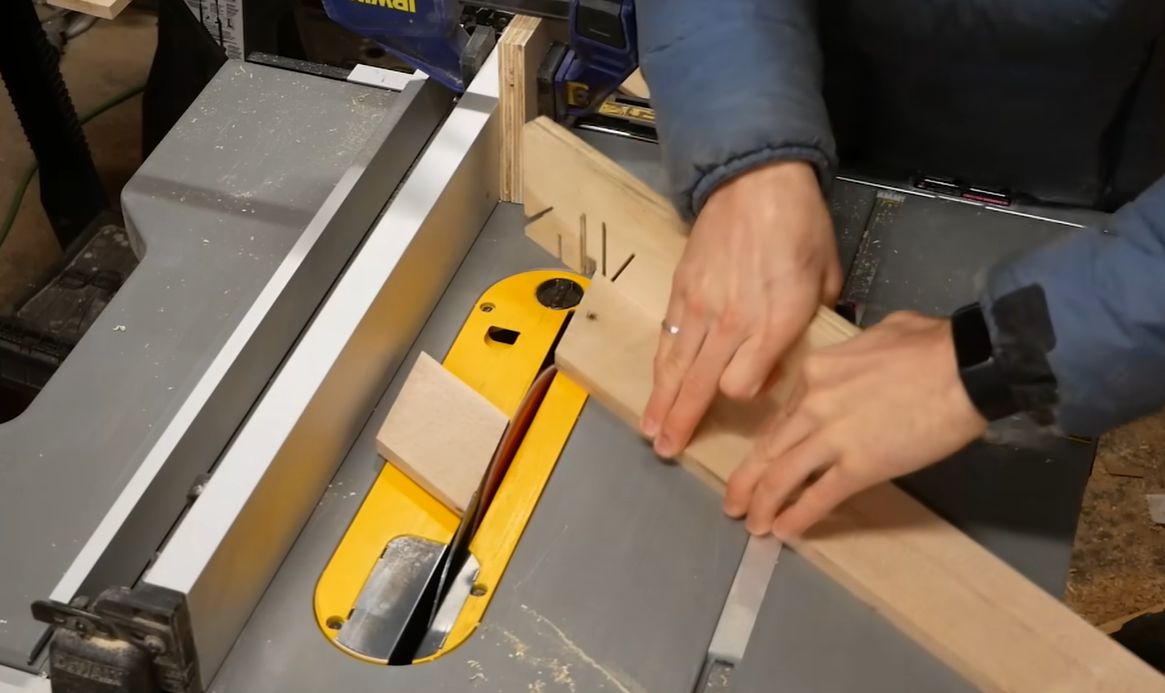
Rather than cutting the boards into long strips for a conventional tabletop, Kert used a table saw and cutting jig to produce short pieces with angled ends.
The diamond shapes were arranged in groups of three, with each group forming the appearance of a cube viewed from above.
Different grain directions and natural wood shades helped create the optical effect. Some pieces appear lighter, while others show darker grain and knots.
The pieces were arranged across a plywood base, with narrow gaps separating the shapes.
Keeping those gaps consistent was important because they would become the dark outlines defining the pattern after the resin was added.
Once the layout was established, the wood pieces were secured to the base before the epoxy work began.
Black Epoxy Filled the Gaps Between the Wood Pieces
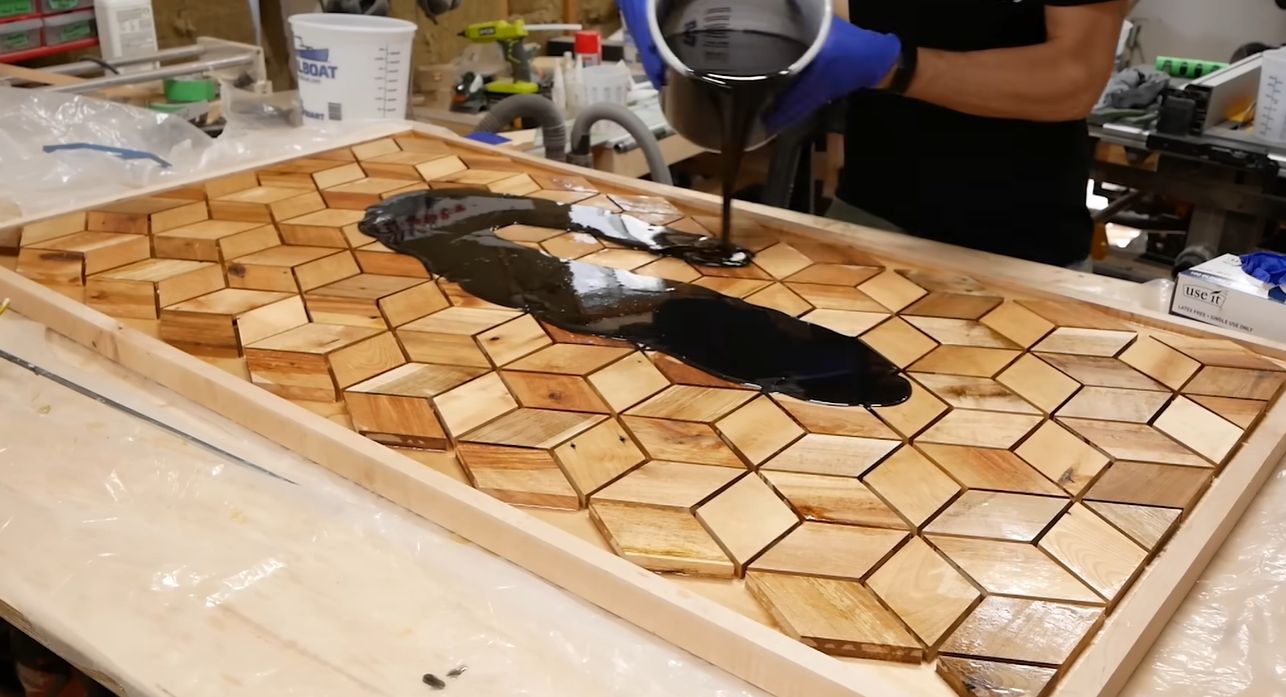
The next stage introduced the material responsible for the desktop’s dark geometric outlines.
Kert built a frame around the surface to contain the resin, then prepared the wood with penetrating epoxy before pouring the main coating.
Black pigment was mixed into the epoxy resin, turning the liquid into an opaque dark finish.
The image shows resin spreading across the arranged wood pieces, filling the narrow spaces between the diamonds and covering portions of their surfaces.
The dark resin creates separation between the individual pieces, making the cube pattern more pronounced.
After the resin cured, the surface was sanded to expose the wood grain and remove excess material from the top.
The project required several days of curing before the final sanding and finishing stages could be completed.
The Finished Desktop Sold for $1,000
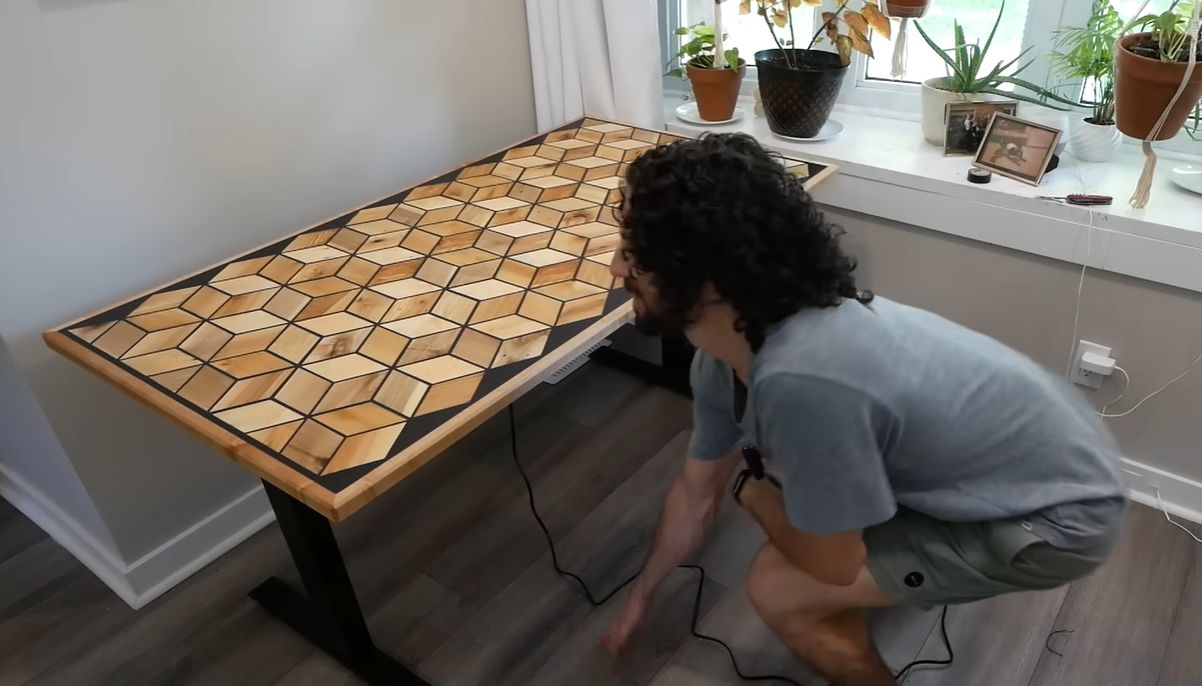
The completed desktop shows how the small pieces came together. Groups of three diamonds repeat across the surface, creating a pattern of interlocking cubes.
Black resin lines separate the shapes, while the wood retains its natural color variation. A dark border runs around the geometric surface, with a natural wood edge framing the tabletop.
Kert mounted the desktop on an adjustable standing-desk frame for the finished presentation. The black legs contrast with the wood surface and allow the geometric design to remain the main feature.
The desktop was sold for $1,000, while the adjustable frame was returned rather than included in the sale.
With $246 spent on materials, the difference was $754 before accounting for the time spent dismantling pallets, cutting pieces, assembling the pattern, pouring resin, sanding, and completing the sale.
The project demonstrates how discarded pallet boards can become a custom furniture surface through precision cutting and a geometric layout. The pallets cost nothing, but the arrangement of the wood and black epoxy turned the scraps into a desktop that sold for $1,000.
Original project: Morley Kert on YouTube



Leave a Reply