

Walk your garden path before the first snow and notice where your toe catches. A raised paver edge can become a stopping point for a shovel once snow hides it. Finding that edge while the path is dry gives you time to repair it and mark the route before you need to clear it in a hurry.
Check from both directions
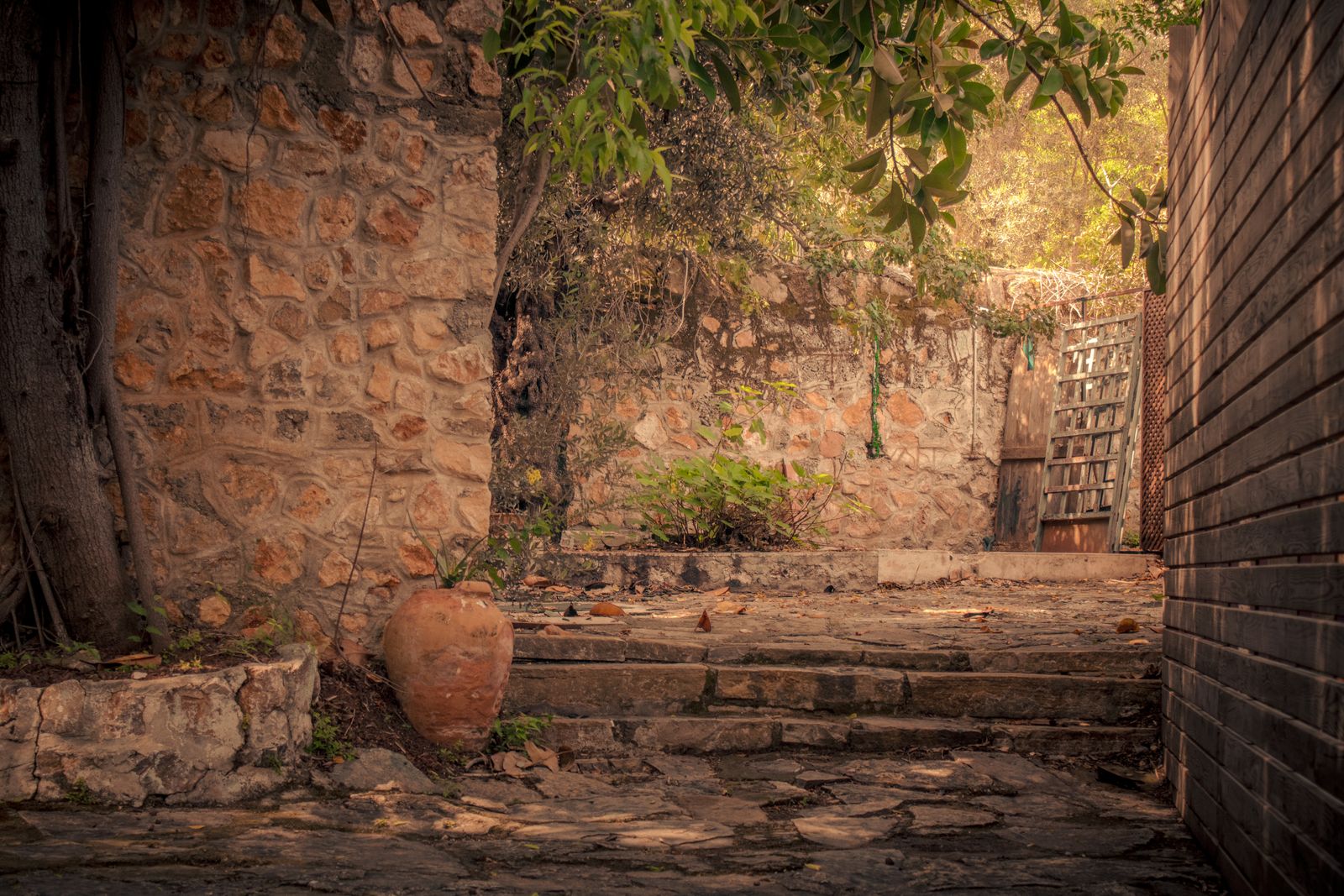
Walk toward the house, then turn around and look back. A small lip can be hard to see from one side and obvious from the other. Note loose stones, cracked pieces, and joints that have opened. Photograph the spots or mark their locations so you can find them when gathering repair supplies. If several pavers have shifted, check the base and drainage rather than tapping only the highest corner down.
Lift fallen leaves from the surface and look for water collecting after rain. A low spot that stays wet can freeze between storms. If the repair involves a deep base problem or drainage near the house, get advice before changing the slope. Keep the finished route stable and suited to the way you use it.
Make the edges easy to find
Clear objects and tie back growth that leans over the walking line. Check pruning requirements for the plant before cutting it, since shrubs and perennials need different treatment. Put path markers beside the edges where they will remain visible above expected snow, clear of the walking space and where the shovel needs to travel.
Choose a shovel suited to the paving material and use the surface maker’s guidance for ice treatment. Start each pass with awareness of joints and edges, even after repairs. If loose gravel is part of the route, it may need a different clearing method from the paved section. A dry-weather inspection gives you a map of those transitions before the whole path looks like one white strip.



Leave a Reply