

While watering my plants, I found a large black-and-yellow spider in a web beside the house. The white zigzag running through the silk caught my eye. I nicknamed the spider Charlotte, and the boys were fascinated too.
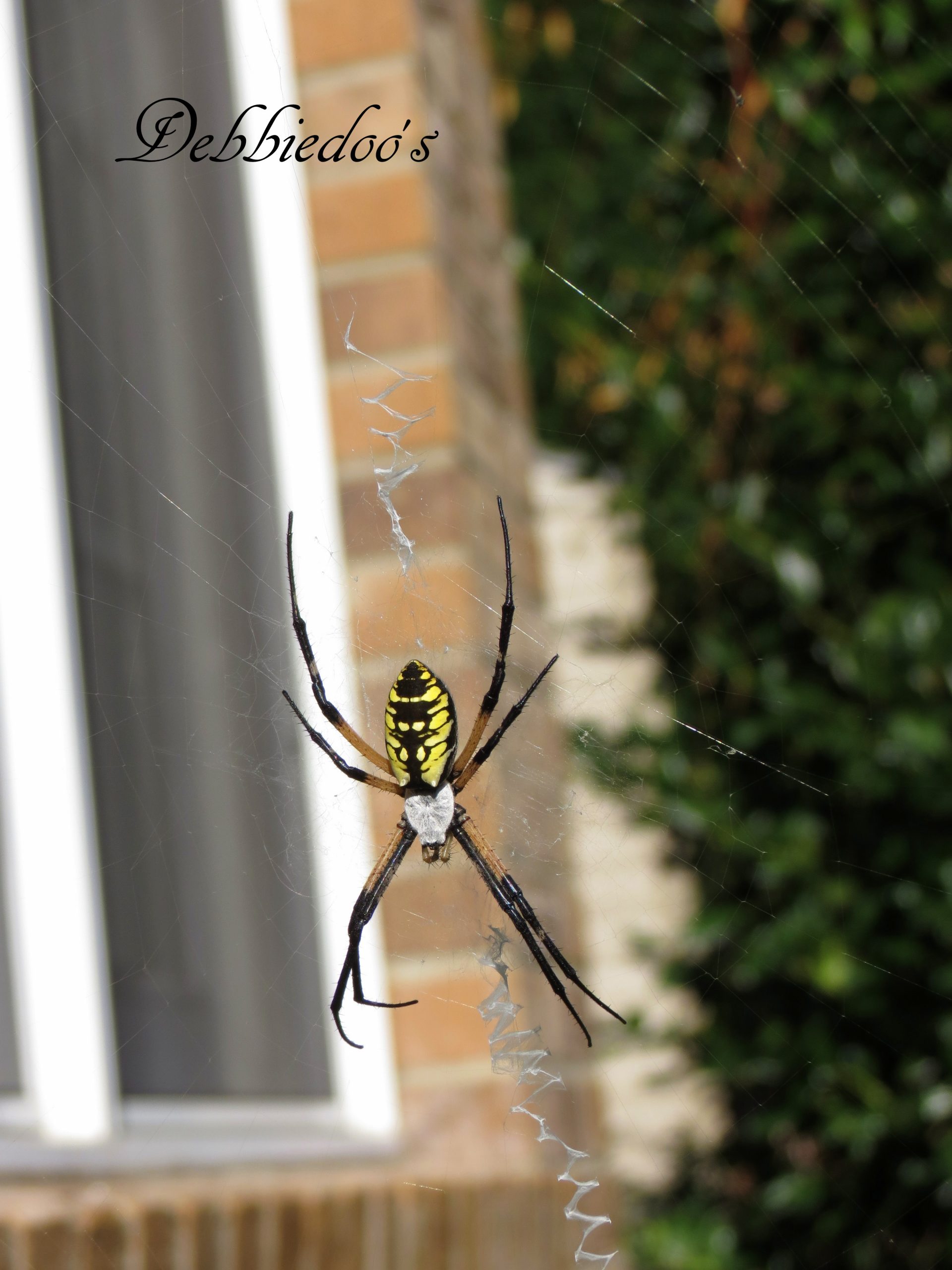
The zigzag in the web
The photographs are consistent with a black-and-yellow garden spider, Argiope aurantia. NC State Extension describes this species and its conspicuous zigzag web decoration, often called a stabilimentum. The pattern was what made me stop and look more closely.
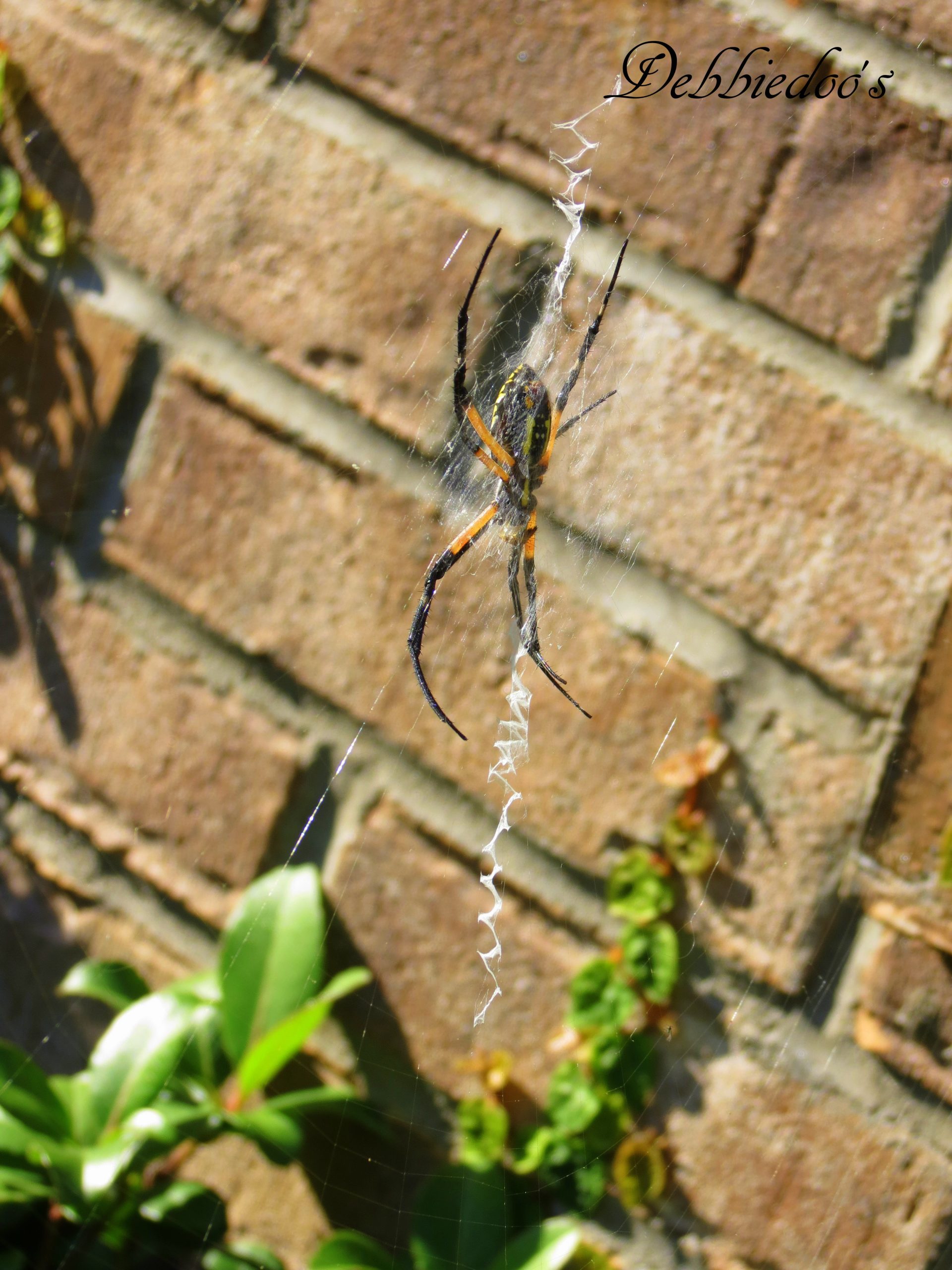
Leaving Charlotte in the garden
My first reaction was surprise, but I decided to leave the spider and its web alone. It was not bothering us, and garden spiders catch insects in their webs. I enjoyed photographing the markings and silk from different angles.
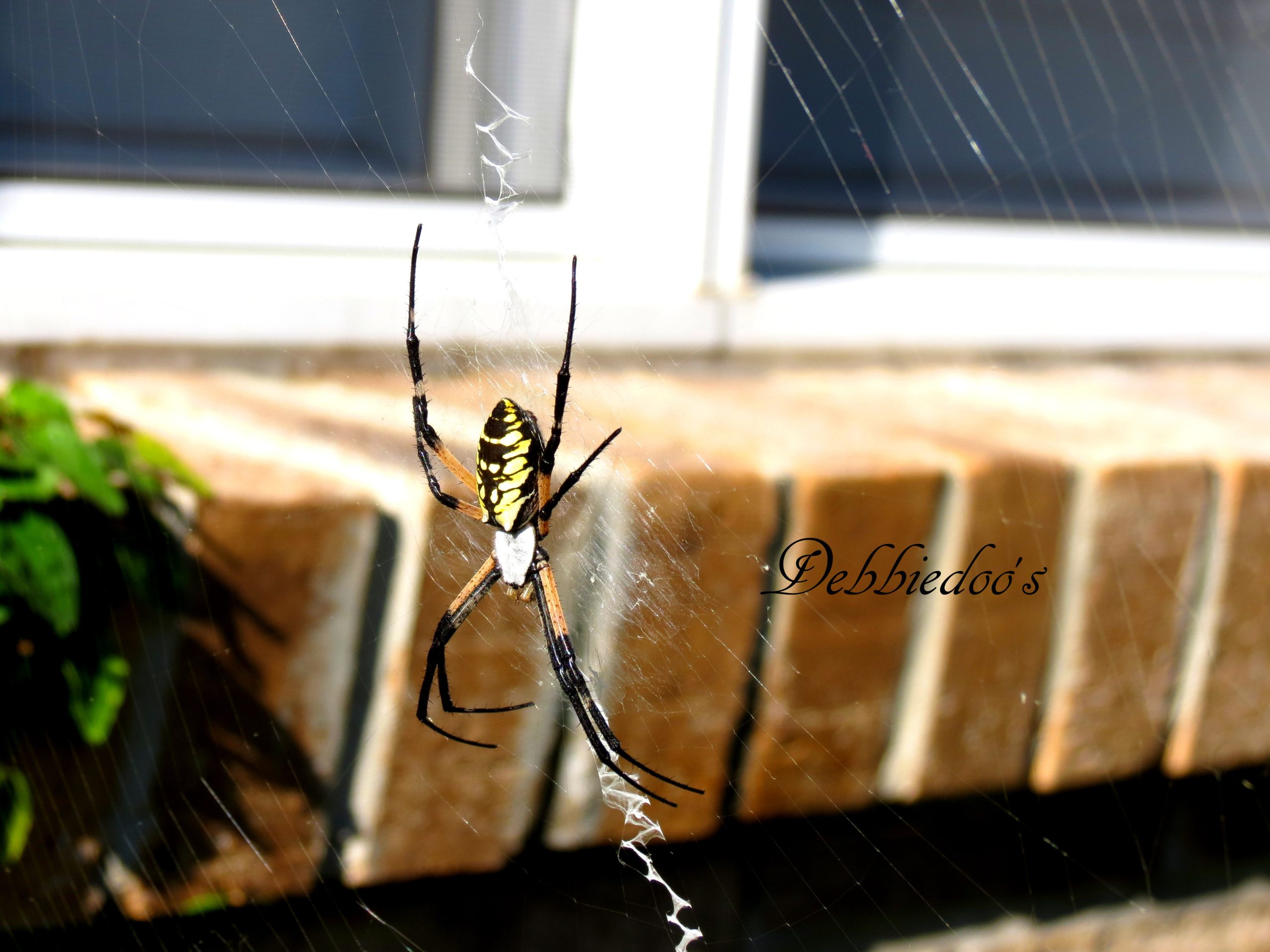
The original post called the spider harmless. A more accurate description is that these spiders are generally not aggressive, but can bite if handled or pressed. South Dakota State University Extension notes that a bite can be painful, although it is not considered dangerous. I left Charlotte undisturbed rather than trying to handle her.
What happens when the weather turns cold?
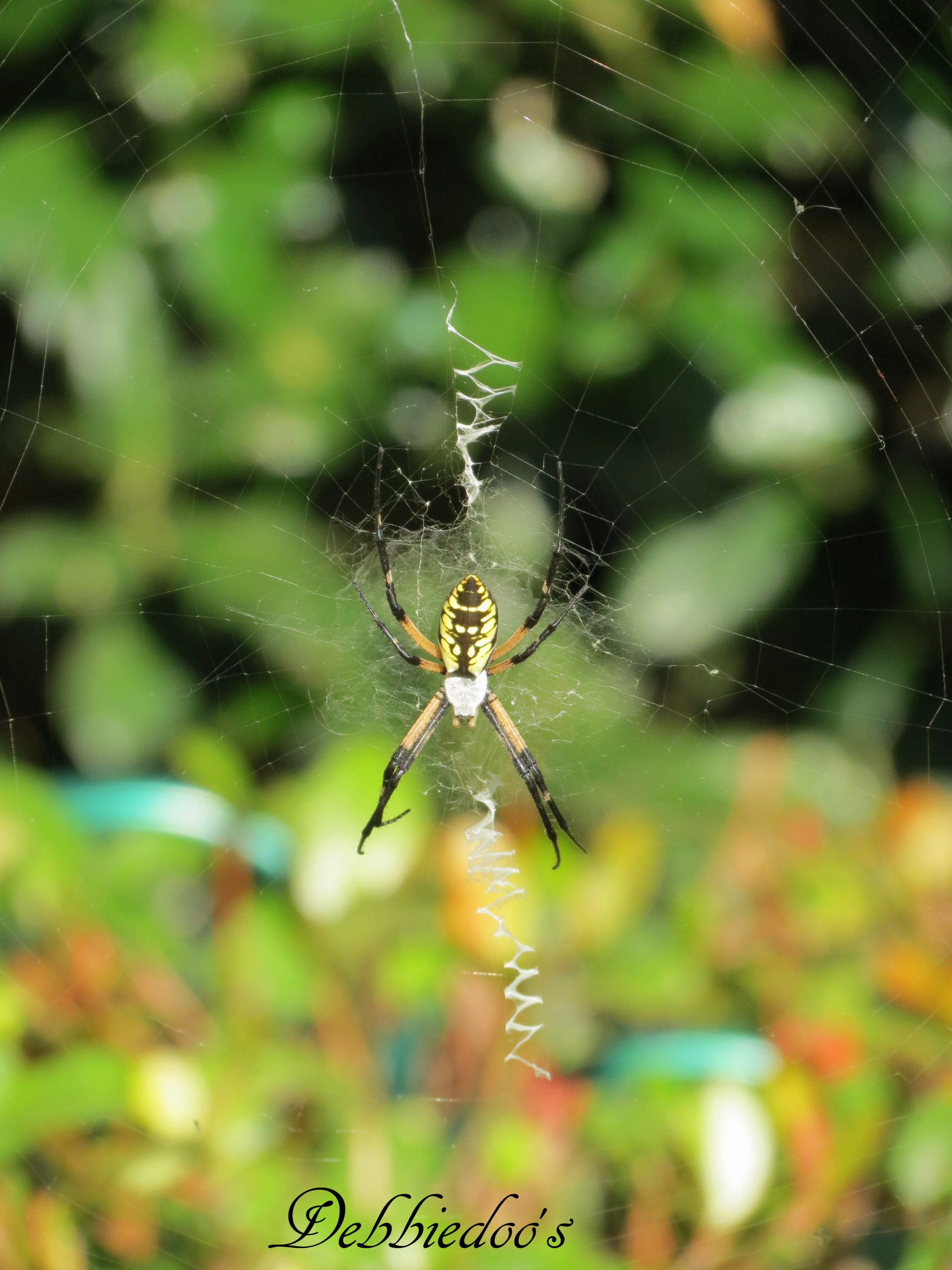
I originally assumed the spider would simply move on when temperatures dropped. The seasonal life cycle is different: in cold-winter areas, adults generally die after a hard frost, while the next generation survives the winter protected in egg sacs. I did not record Charlotte's eventual fate, so these photographs document the encounter rather than a complete life history.



Leave a Reply