

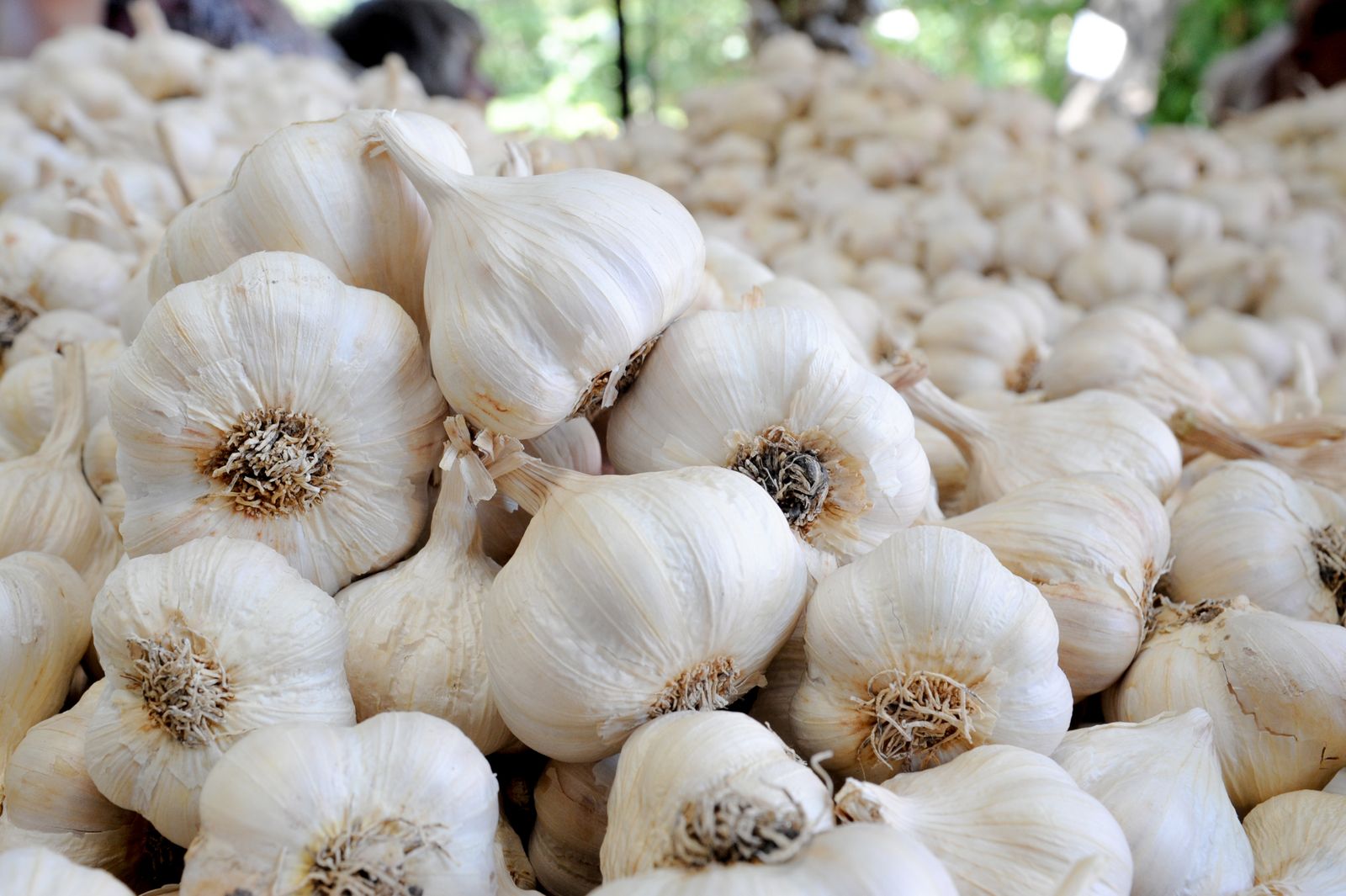
Garlic can give a tray of roasted vegetables more flavor. The claim that it clears plaque from arteries asks much more of the same ingredient. The National Center for Complementary and Integrative Health says garlic supplements may lower total and LDL cholesterol by a small amount in people with high cholesterol. That finding tells you about a blood test. It does not establish that garlic clears plaque from artery walls.
A cholesterol number and a plaque measurement answer different questions
A blood test measures the amount of cholesterol circulating in the blood at the time of the test. Plaque builds up in the artery wall over time. A change in one number can matter for a person’s risk, but to show that a treatment shrinks plaque, a study needs to measure the plaque and compare the change over time. When a headline jumps from lower cholesterol to cleared arteries, look for which outcome the researchers measured.
The form of garlic matters too
A supplement study looks at a particular preparation and dose. A couple of minced cloves in a pan of vegetables are a meal ingredient, and the study gives you no basis for treating the two as interchangeable. The same distinction applies to garlic oil, aged extracts, and capsules from different brands. NCCIH also warns that garlic supplements can raise the risk of bleeding, a point worth discussing with a clinician if you take blood thinners or have surgery planned.
Keep the clove in the recipe
If you enjoy garlic, use it for the flavor it adds. Roast whole cloves for a softer taste or stir chopped garlic into warm oil before adding vegetables to the pan. If a cholesterol result or a scan is the reason you started looking for garlic remedies, use that result to ask your clinician which changes or treatments make sense for your own risk.

Leave a Reply