

A bottle of clove extract smells strong enough to make a kitchen feel clean. The detail that matters for a disinfecting claim, though, is how long a tested product has to stay wet on the surface. A lab result about bacteria exposed to clove oil gives no usable contact time for a homemade counter spray.
What the researchers put in the test
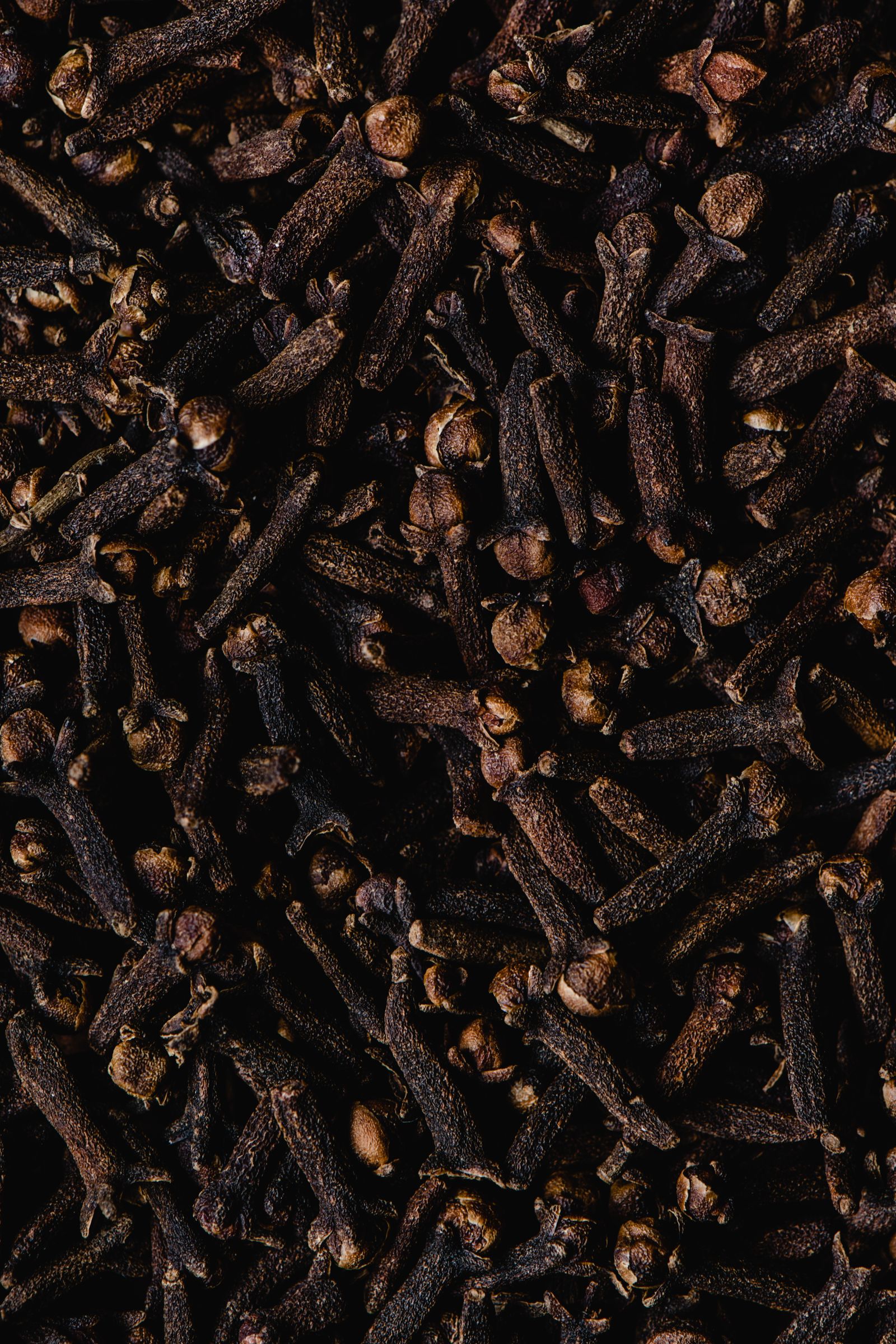
Clove essential oil has shown antimicrobial activity under controlled conditions. In one published study of clove essential oil, researchers assessed its activity against selected microorganisms. The preparation, concentration, and organisms were part of the experiment. Whole cloves steeped in water or a few drops from a spice extract bottle are different preparations. A claim such as “90 percent in 48 hours” leaves out the conditions you would need to judge whether it applies to anything in your kitchen.
Consider what happens on the counter. A spray may dry within minutes, while grease or crumbs can still sit between the liquid and the surface. A result measured after a long lab exposure gives no reason to assume that a quick spray and wipe will deliver the same effect.
Read the label for the job you need
For everyday counter cleanup, start by removing crumbs and washing with soap or a cleaner suitable for the surface. When you need to disinfect, the CDC’s household cleaning guidance calls for cleaning the surface first and following the disinfectant label. Check that the product is approved for the surface you plan to use it on. For a counter used to prepare food, look for food-contact directions and any rinse the label calls for.
Contact time means the surface should stay visibly wet for the time on the label. If you spray and wipe it dry as soon as you smell it, you can miss that part of the job. The label gives you a time you can follow at the counter. The clove study tells you what happened under its own test conditions.



Leave a Reply