
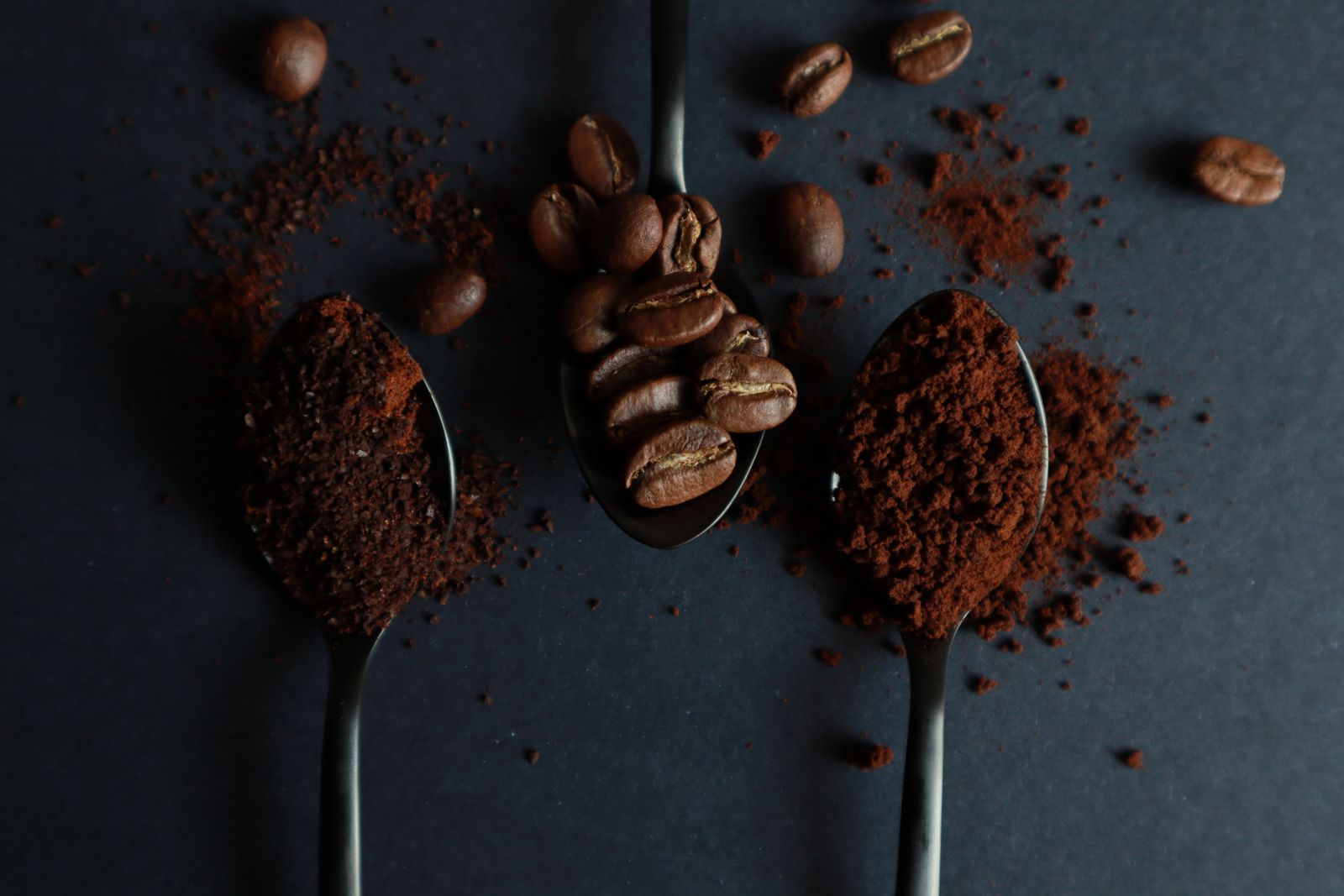
A spoonful of used coffee grounds can look like a harmless way to freshen a toilet. The advice sounds resourceful: reuse a kitchen scrap, tackle an odor, and give the pipes a clean at the same time. But the recommendation conflicts with what a wastewater utility tells households to keep out of their plumbing.
Water Corporation lists coffee grounds among the food scraps that should never be flushed or poured down a drain. Its advice applies to both the toilet and the kitchen sink, so moving the grounds from one fixture to the other does not solve the disposal problem.
Why the weekly coffee trick is worth skipping
A Cronista article promoting the method claims that coffee grounds help with odors and pipe maintenance. It does not identify a plumbing test or a study showing that a weekly dose prevents buildup.
Water Corporation gives the opposite instruction: keep food scraps out of the wastewater system. The fact that grounds disappear from the bowl after a flush does not establish that they have cleaned the pipe. Nor does a coffee scent show that the cause of an odor is gone. There is no reason to turn the practice into a maintenance routine when the utility advises against putting the material there.
A bathroom odor needs a source check
For a sewer-type smell, start by noticing which fixture it comes from and whether that fixture gets much use. The Metropolitan Council’s sewer-odor guidance identifies dry drain traps, toilet-seal problems, drain buildup, and clogs as possible causes.
A seldom-used sink or shower can lose the water in its trap, allowing sewer odors into the room. Running water in that drain can refill the trap. A smell around a toilet base, a recurring odor, or a suspected clog calls for finding the plumbing fault; coffee grounds cannot repair a seal or restore a dry trap. Have a plumber assess a problem you cannot locate or resolve.
Where the used grounds can go instead
Scrape the cooled grounds into the trash or a food-scrap collection bin that accepts them. A home compost pile is another option, provided the grounds are mixed with other materials. Oregon State University Extension advises keeping coffee grounds to no more than 20 percent of a compost pile by volume.
That is different from emptying a pot’s worth onto one plant. Our guide to coffee grounds around garden plants explains why a thick layer can cause problems. Give the grounds a suitable destination and keep toilet cleaning separate from food-waste disposal.