
Empty space above kitchen cabinets can make the room feel less crowded, when the counter below already holds appliances and dishes. Filling that gap is a decorating choice, not the final task required to finish a kitchen. The view from the doorway is a better starting point than the number of baskets you can fit along the top.
Homemaking’s cabinet-top ideas include storage, display, and leaving the area bare. Those are three different uses, and choosing one helps prevent a row of objects from becoming a mixture of decoration and forgotten overflow.
Photograph the room with the gap empty
Remove movable objects if you can reach them with a suitable step stool and handle them without strain. Take a picture from the entrance and another from the dining area or main sightline. Compare the whole wall, not a close-up of the empty strip.
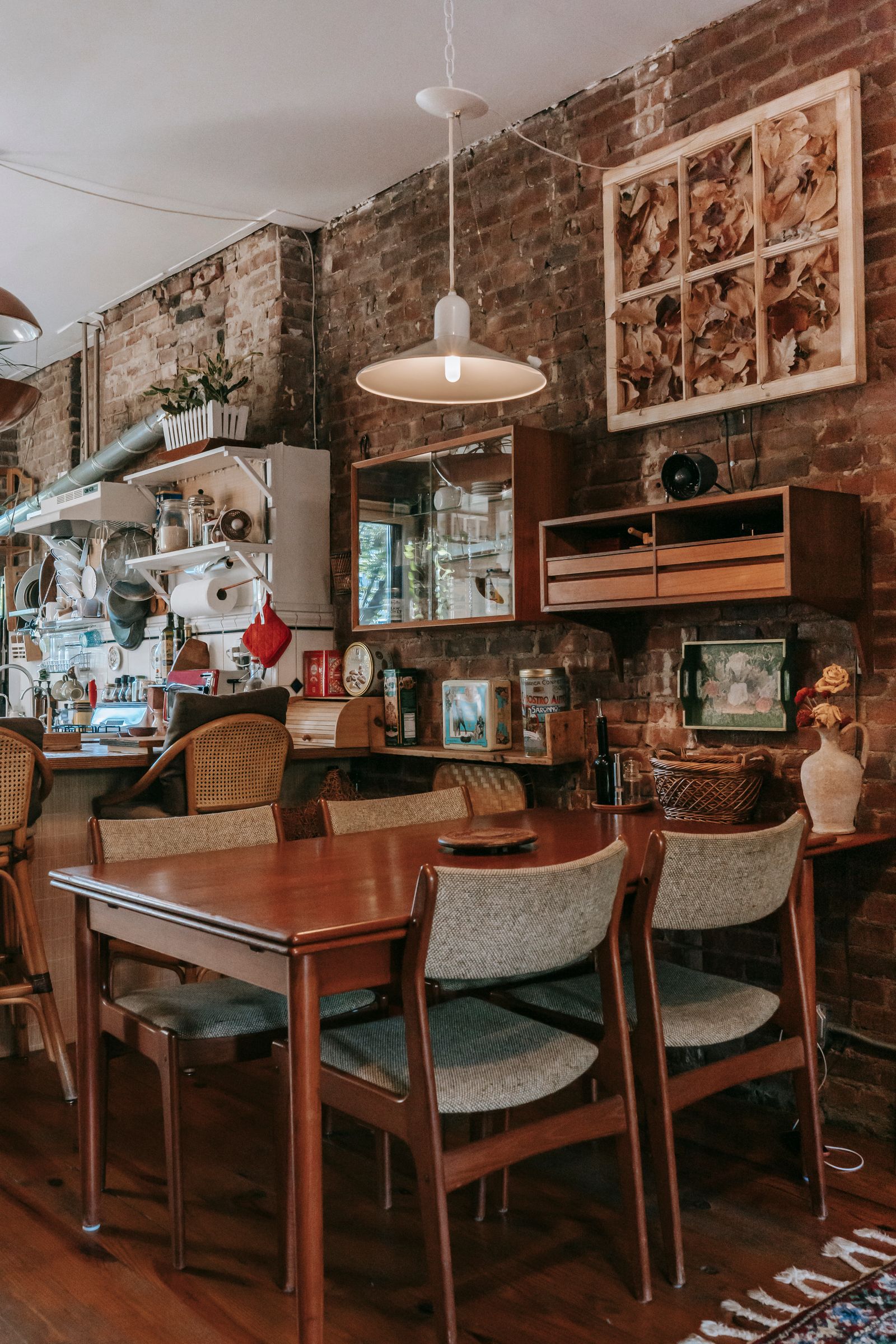
Notice the existing features: cabinet color, ceiling height, lighting, backsplash, and objects on open shelves. If those already provide detail, another display may not improve the room. Let the photograph sit for a day before deciding that the gap needs a purchase.
Try a few pieces you own, linked by a material or a clear purpose, rather than placing one object above every cabinet door. Keep the collection small enough that each piece can be seen from below. Leave open intervals so the arrangement reads as a deliberate group instead of a storage queue.
Test the scale from the floor before adding more. A piece that looks substantial in your hands may disappear at that height, while a tall object may crowd the ceiling. Move one element at a time and compare the same view so you can tell which change helped.
Account for the job of keeping it clean
Think through how you will retrieve and clean every object. Avoid leaning unstable pieces against the wall or placing heavy items where you would struggle to lift them down. Preserve vents and the clearances required by nearby appliances; a decorative arrangement should not cover a working part of the kitchen.
For storage, use a defined category rather than treating the area as a hiding place for every box that will not fit below. If you need a closed storage solution, our above-fridge cupboard guide focuses on light, infrequent-use items and access.
When the room looks balanced with the gap bare, keep that version. You can revisit it with a specific piece later without assuming that unused display space is wasted space.