

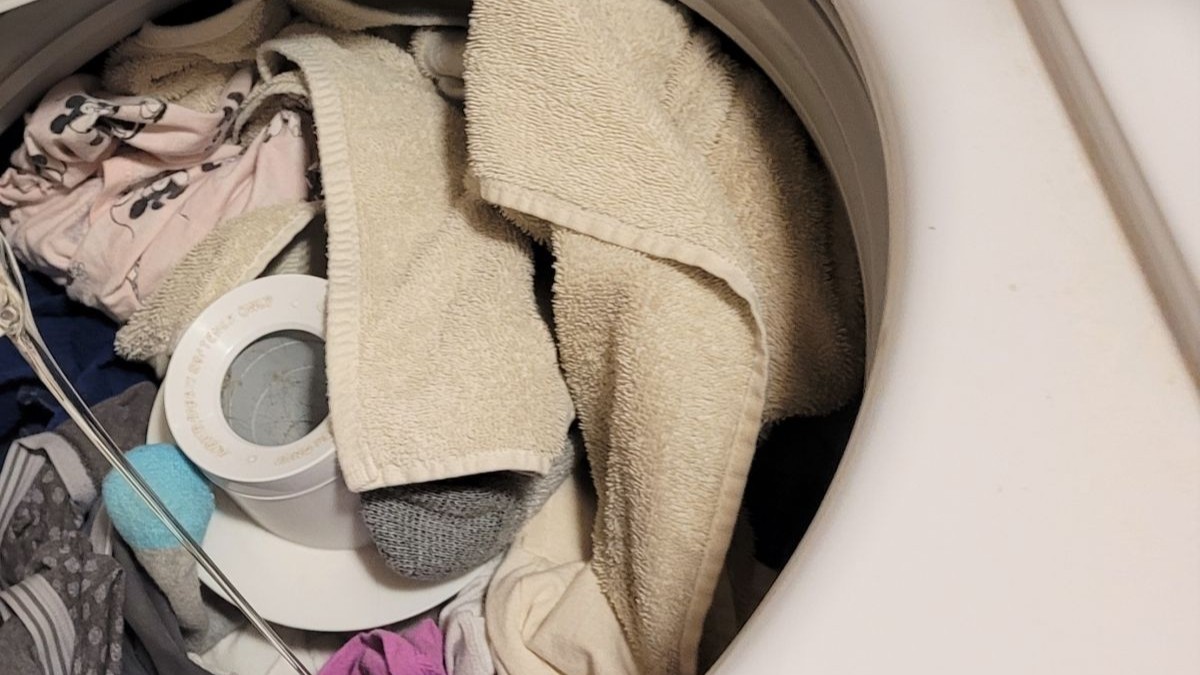
Two cups of white vinegar poured into an empty washing machine may seem like a cheap way to remove odors and detergent buildup. The method appears in household cleaning guides, often followed by a second cycle with baking soda. But washing machines contain more than a metal drum, and some components may not tolerate repeated exposure to acidic cleaners.
Vinegar contains acetic acid, which can help dissolve certain mineral deposits and loosen some residue left by laundry products. Its acidity explains why people use it to clean sinks, faucets, and other surfaces exposed to hard water.
The concern is what happens beyond the visible drum. Rubber seals, hoses, and other internal parts come into contact with water during a wash cycle. Some appliance manufacturers discourage vinegar because repeated use may affect components that weren’t designed for acid exposure.
Vinegar Can Remove Some Mineral Deposits and Residue
White vinegar contains acetic acid, which reacts with certain mineral deposits left behind when hard water evaporates.
Calcium carbonate, a common component of limescale, reacts with acid and can dissolve into the cleaning solution.
This makes vinegar useful against some hard-water deposits, although its effectiveness inside a washing machine depends on the concentration, contact time, and type of buildup.
Laundry detergent can also leave residue in the dispenser, drum, and surrounding areas. Vinegar may help loosen some deposits, but it isn’t guaranteed to remove every type of detergent film or grease.
Mold presents another problem. A sour or musty smell may come from moisture and residue trapped around the door gasket, detergent drawer, or other parts of the washer.
Running vinegar through the drum doesn’t guarantee that these areas have been cleaned.
Vinegar also shouldn’t be treated as a substitute for a disinfectant when sanitation is required.
Rubber Seals and Internal Components May Be Vulnerable
Front-loading washing machines use flexible rubber gaskets around their doors to prevent water from escaping during operation.
Other rubber and plastic components appear inside the machine, including hoses and seals that aren’t visible during cleaning.
Repeated contact with acidic solutions can affect certain materials over time, depending on their composition and the concentration of the cleaner.
Some washing-machine manufacturers warn against vinegar because of potential damage to rubber components.
This doesn’t mean one vinegar cycle will destroy a washer. The risk depends on the appliance design, materials, exposure, and manufacturer’s recommendations.
The safest approach is to check the washing machine’s manual before adding vinegar to the drum or detergent compartment.
If the manufacturer advises against it, use the recommended washing-machine cleaner instead.
Never combine vinegar with chlorine bleach or add it to a machine containing bleach residue. Mixing acids with bleach can release hazardous chlorine gas.
The Washing Machine’s Cleaning Cycle May Be the Better Option
Many washing machines include a drum-clean, tub-clean, or self-clean cycle designed to remove residue from areas reached by the wash water.
The cleaning instructions vary by model. Some manufacturers recommend a dedicated washing-machine cleaner, while others specify a particular cleaning cycle without additional products.
Start with an empty drum and follow the appliance’s instructions for the correct cycle and cleaner.
Remove and wash the detergent drawer if the manual permits it, paying attention to residue around the compartment.
For front-loading machines, inspect the rubber door gasket for trapped lint, detergent deposits, and standing water. Clean it with a product approved for the material.
After the cycle, wipe accessible surfaces with a clean microfiber cloth and leave the door open to allow moisture to escape.
Cleaning the washer about once a month may help control residue, although the recommended schedule depends on the model and frequency of use.
Baking soda is another ingredient found in homemade cleaning guides, but mixing it with vinegar causes an acid-base reaction that produces carbon dioxide, water, and sodium acetate. The fizz doesn’t prove the machine has been cleaned.
Vinegar can dissolve certain mineral deposits, but that benefit doesn’t establish that it is suitable for every washing machine. The appliance’s cleaning instructions matter more than the popularity of the household trick.
Sources
- Whirlpool: How to Clean a Washing Machine
- Bosch: Washing Machine Cleaning and Care
- American Cleaning Institute: Cleaning Your Washing Machine
- CDC: Cleaning and Disinfecting With Bleach


Leave a Reply