

Rosemary growing beside a front door, lavender hanging near a window, and garlic suspended in a kitchen may look like ordinary household choices. Centuries ago, people gave these plants another purpose. They believed certain herbs, flowers, and trees could protect their homes from evil spirits, witchcraft, illness, and misfortune.
Doorways and windows held particular importance in these traditions because they marked the boundary between the household and the outside world. Some plants were placed near entrances to keep unwanted forces out, while others appeared in ceremonies honoring the dead.
Five familiar plants became part of these customs across different cultures. Their meanings varied by region, with some associated with protection and others believed to guide spirits or bring peace into the home.
1. Rosemary Was Kept Near Doors to Ward Off Evil
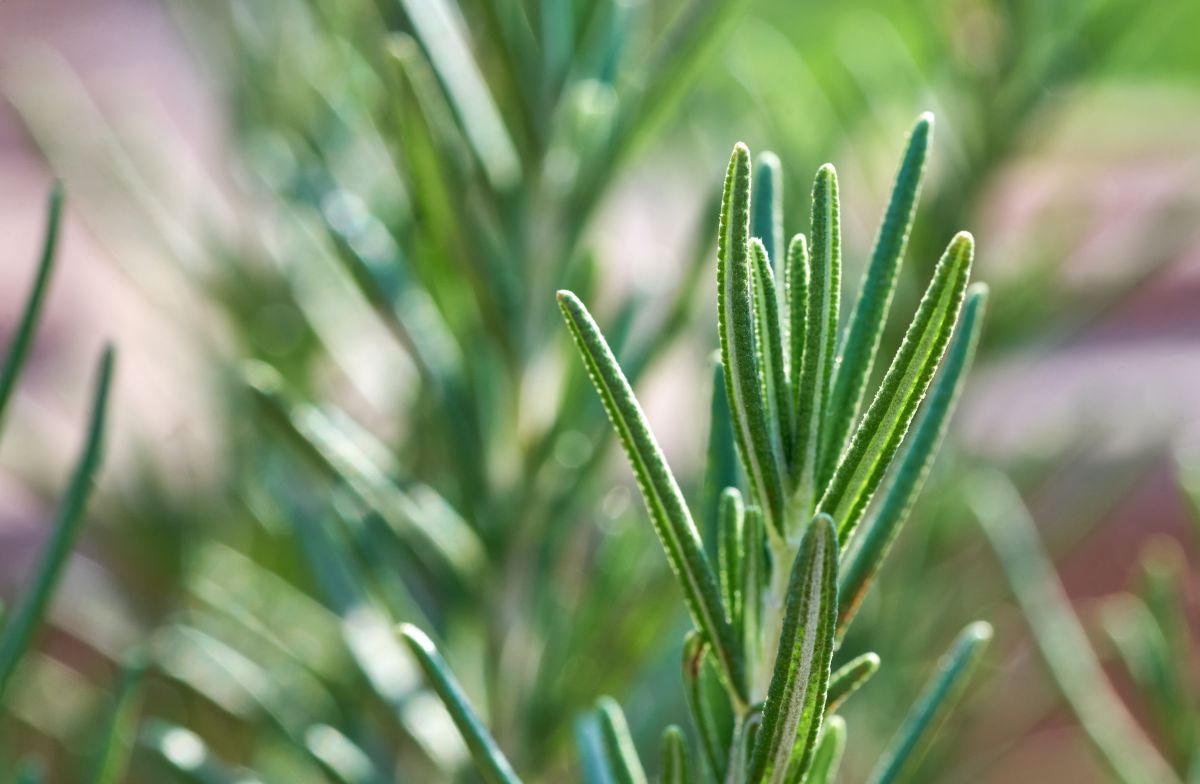
Rosemary has a long connection to remembrance, appearing in European wedding and funeral traditions. Sprigs were carried during ceremonies and placed in graves to honor the dead.
In parts of Europe, people also kept rosemary near entrances or beneath pillows. Folk beliefs associated the herb with protection against ill will, unwanted spirits, and bad dreams.
Its strong scent contributed to its reputation as a protective plant. People believed fragrant herbs could help drive harmful influences away from the household.
2. Lavender Was Hung Near Windows to Protect the Home
Lavender became a familiar household herb through its use in bathing, linens, and scented rooms. Its fragrance was associated with cleanliness and comfort.
European folk traditions gave lavender another role. Dried bundles were hung near windows and doors in the belief that they could protect the home and encourage peace among its occupants.
Some customs also connected lavender with restful sleep and protection from negative influences.
The practice combined the herb’s fragrance with beliefs about household harmony, although its supposed spiritual powers have no scientific basis.
3. Garlic Was Hung in Doorways to Keep Evil Spirits Away
Garlic developed one of the strongest protective reputations in European folklore.
Families hung bulbs or braided strings near entrances, kitchens, and windows to ward off evil, illness, and unwanted supernatural visitors.
The association with vampires became prominent in Eastern European folklore, where garlic appeared in stories about protecting people from the undead.
Long before those stories became familiar, garlic had been valued in ancient Egyptian and Greek cultures for food and traditional medicinal uses.
Its sharp smell and established place in household life helped make it a symbol of protection.
4. Rowan Trees Were Planted Near Houses to Prevent Witchcraft
Rowan trees were associated with protection in Scotland, Ireland, and northern England.
People planted them near homes, barns, and livestock shelters because they believed the trees could prevent witchcraft and misfortune from entering the property.
Some traditions involved tying rowan twigs with red thread and placing them above doors or inside farm buildings.
The small star-shaped marking at the base of rowan berries also carried protective meaning in certain regional customs.
Unlike herbs that could be moved around the house, a rowan tree provided a lasting symbol of protection near the property.
5. Marigolds Were Used to Welcome Spirits Back Home
Marigolds held a different purpose from plants believed to repel supernatural forces.
In Mexico, bright orange cempasúchil flowers became central to Día de los Muertos, when families honor deceased relatives through altars, offerings, and graveside decorations.
Petals are arranged along pathways and around altars because tradition holds that their color and fragrance help guide the spirits of loved ones home.
The custom has roots in Indigenous Mexican culture and developed through centuries of religious and cultural influence.
Marigolds also appear in Indian religious ceremonies, where garlands and floral offerings are associated with blessings and auspicious occasions.
For these traditions, the flowers aren’t intended to keep spirits away. They help welcome and honor those who have died.
Rosemary, lavender, garlic, rowan, and marigolds carried meanings that extended beyond gardening. Some marked the boundary of a protected household, while others connected families with remembrance and the dead.
Their roles came from cultural beliefs rather than proven supernatural effects, but the customs explain why familiar plants appeared in particular places around homes for generations.
Meta: Rosemary, lavender, garlic, rowan, and marigolds once had roles beyond gardening, from warding off witchcraft to welcoming spirits home.


Leave a Reply