

Foam rises from the drain, bubbles crackle, and the mixture disappears into the pipe. It looks convincing, but the reaction happens whether there is a blockage or not. Before pouring in another cup, check what matters: has the water started draining?
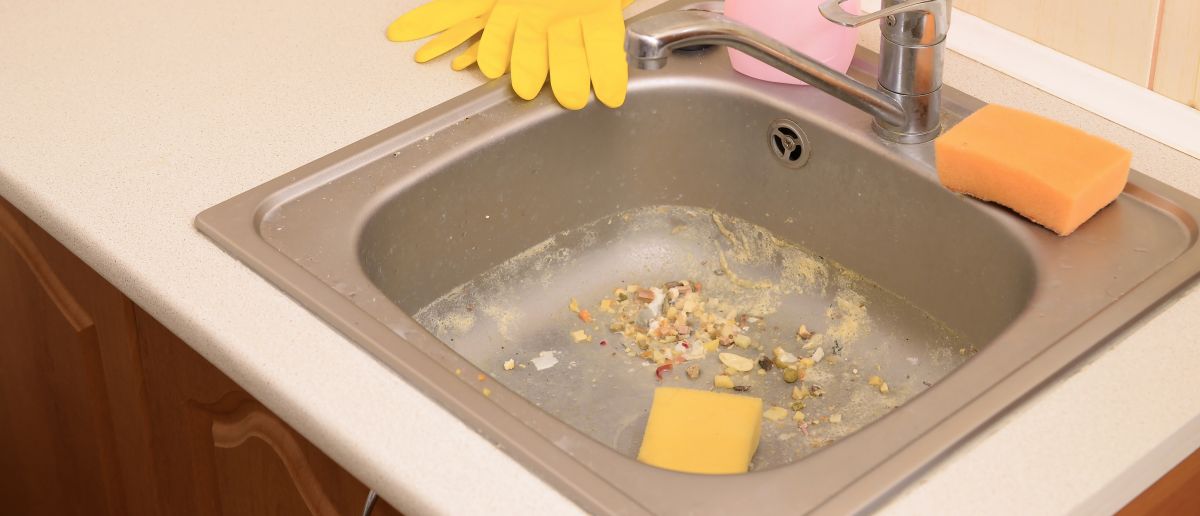
The Bubbles Come From the Ingredients, Not the Blockage
Baking soda is sodium bicarbonate, while vinegar contains acetic acid. When they meet, they react to form carbon dioxide gas, water, and sodium acetate. Carbon dioxide produces the fizz you can see and hear.
That reaction consumes some of both ingredients. Depending on the amounts used, vinegar or baking soda may remain after the bubbling stops, so the mixture does not always end up neutral.
The key distinction is that fizz shows a chemical reaction, not proof that grease or trapped food has dissolved. The same ingredients bubble together in a clean bowl.
Why the Recipe Appears in Drain-Cleaning Guides
Cornell Cooperative Extension’s Hamilton County guide includes a method using one cup of baking soda, one cup of hot vinegar, a five-minute wait, and a flush with two quarts of hot water.
That is a published household recipe, but the guide does not provide controlled test results showing which blockages it clears. Its inclusion should not be read as a guarantee that the mixture can reopen a stopped sink.
Bubbling may disturb loose residue where the ingredients meet, while the water flush can carry material through a drain that still flows. Neither effect establishes that the mixture can break apart a compact obstruction deeper in the pipe.
A Slow Sink and a Stopped Sink Need Different Attention
If water still drains, start with the parts you can reach. Empty the strainer and remove visible food scraps around the opening. Check whether that restores the flow before adding anything else.
Standing water calls for more than watching another round of foam. A cup plunger can help dislodge some blockages, while a drain-cleaning tool or removal of the trap may be needed to reach trapped material.
For a double sink, sealing the other drain opening helps a plunger act on the blocked pipe. If the blockage returns or several fixtures back up, have a plumber investigate rather than repeating the same treatment.
Hot Water Does Not Make Grease Disappear
Pouring hot water after cooking oil does not make the oil safe for the drain. Grease can cool and collect farther along the plumbing, where it becomes harder to reach.
Let cooking fat cool, collect it in a suitable container, and dispose of it according to local guidance. Wipe greasy pans before washing, and use the sink strainer to catch food scraps.
Avoid treating boiling water as a universal drain remedy. Pipe materials, joints, and fixture instructions determine what temperatures the system can tolerate.
When to Stop Adding Products
If a drain cleaner has already been used, do not add vinegar, baking soda, bleach, or another cleaner. Follow the product label, including any restrictions on plunging, because trapped chemicals can splash back.
Tell a plumber what went into the drain before they begin work. A homemade ingredient can still react with a product already inside the pipe.
After any attempt, judge the result by water flow. If the sink still holds water, the fizz has finished its job without solving yours.
Sources
- American Chemical Society / American Association of Chemistry Teachers: Explanation of the reaction between sodium bicarbonate and acetic acid, including carbon dioxide, water, and sodium acetate. AACT
- Cornell Cooperative Extension, Hamilton County: Published baking soda, hot vinegar, and water drain recipe. hamilton.cce.cornell.edu
- Roto-Rooter: Guidance on grease disposal, plungers, and seeking help for persistent drain blockages. Roto-Rooter
- CDC: Guidance against mixing bleach or disinfectants with other cleaners because dangerous vapors can result.
Leave a Reply