

Chicken breasts can develop a browned exterior in the frying pan while the meat inside becomes firm and dry. Unlike fattier cuts, chicken breast contains little fat to protect it from moisture loss as temperatures rise. A short preparation step before cooking can help the meat retain more of its juices.
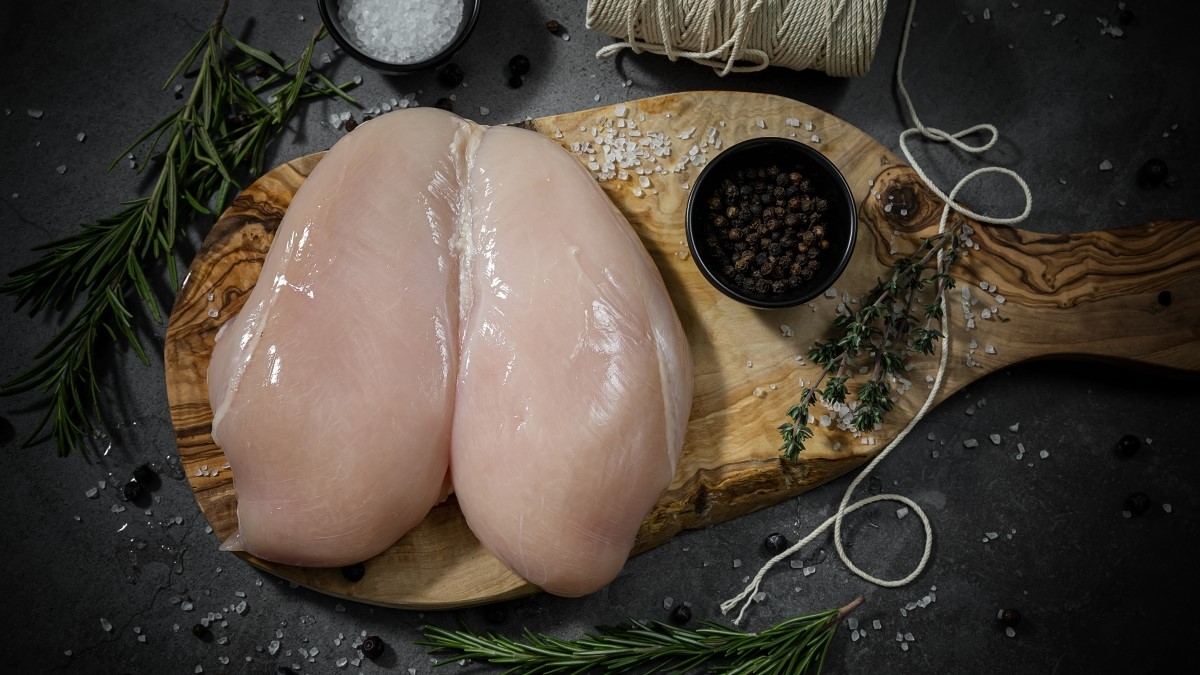
Soaking chicken breasts in salt water, a method known as brining, changes how muscle proteins interact with moisture. Salt enters the outer layers of the meat and helps those proteins hold more water during cooking.
The method takes 15 to 30 minutes in the refrigerator and requires only water and salt. It can improve the texture of lean chicken, although it won’t prevent dryness if the meat is overcooked.
Salt Water Changes How Chicken Breast Holds Moisture
Chicken breast contains muscle fibers made up of proteins that change structure when exposed to heat.
As the meat cooks, these proteins contract and release water. Higher temperatures and prolonged cooking increase moisture loss, leaving the chicken firm and chewy.
Salt dissolved in water moves into the outer layers of the chicken during brining.
The salt affects muscle proteins, allowing them to retain more moisture as temperatures rise.
Some water from the brine can also enter the meat, increasing the amount available before cooking begins.
The result can be chicken that loses less moisture than an untreated breast cooked under the same conditions.
Salt also seasons the meat beneath its surface instead of leaving all the seasoning on the outside.
A short brine doesn’t penetrate every part of a thick chicken breast at the same rate. The effect depends on salt concentration, meat thickness, and soaking time.
Leaving chicken in a concentrated brine for too long can produce an oversalted taste and change its texture.
How to Brine Chicken Breasts Before Cooking
For approximately four chicken breasts, use:
- 4 cups water (950 ml)
- ¼ cup kosher salt
- 4 boneless, skinless chicken breasts
Dissolve the kosher salt in warm water, stirring until no visible crystals remain.
Allow the brine to cool before adding the raw chicken. Hot water can begin cooking the outer surface of the meat.
Place the chicken breasts in a shallow container and pour the cooled brine over them until submerged.
Cover and refrigerate for 15 to 30 minutes.
Remove the chicken from the salt water and pat each breast dry with paper towels.
Drying the surface helps the meat brown in a hot pan instead of steaming in excess moisture.
Discard the used brine and reduce any additional salt in the recipe because the chicken has absorbed seasoning during soaking.
Heat a small amount of olive oil in a frying pan and add the chicken breasts.
The source method recommends cooking for one minute, turning the breasts over, reducing the heat to low, and covering the pan.
Continue cooking for 10 minutes, then turn off the heat and leave the pan covered for another 10 minutes.
This timing depends on the thickness of the chicken, the pan, and the stove. It should not replace checking the internal temperature.
Chicken breasts must reach 165°F (74°C) at the thickest point before serving.
Use a food thermometer to confirm doneness, since the outside can appear cooked before the center reaches a safe temperature.
Salt water helps chicken breast retain moisture by changing how its proteins respond to heat. A short brine can produce juicier meat, provided the chicken reaches its safe internal temperature without excessive cooking.
Sources: The Kitchn — Cooking Guides, USDA — Safe Minimum Internal Temperature Chart

Leave a Reply