

Ants crawling around houseplants can become a problem when they start moving between pots, soil, and nearby surfaces. Sprinkling cinnamon across the leaves or mixing large amounts into the soil may seem like a way to keep them away, but the suggested method focuses on a different location: the base of the plant.
Cinnamon contains aromatic compounds that may interfere with the scent trails ants use to navigate. Rather than treating the entire plant, the idea is to place the spice where insects travel toward the pot.
Utah State University Extension identifies cinnamon as a possible natural ant repellent in its organic pest management guidance. The recommendation involves placing cinnamon around the plant’s base, although its effectiveness can vary.
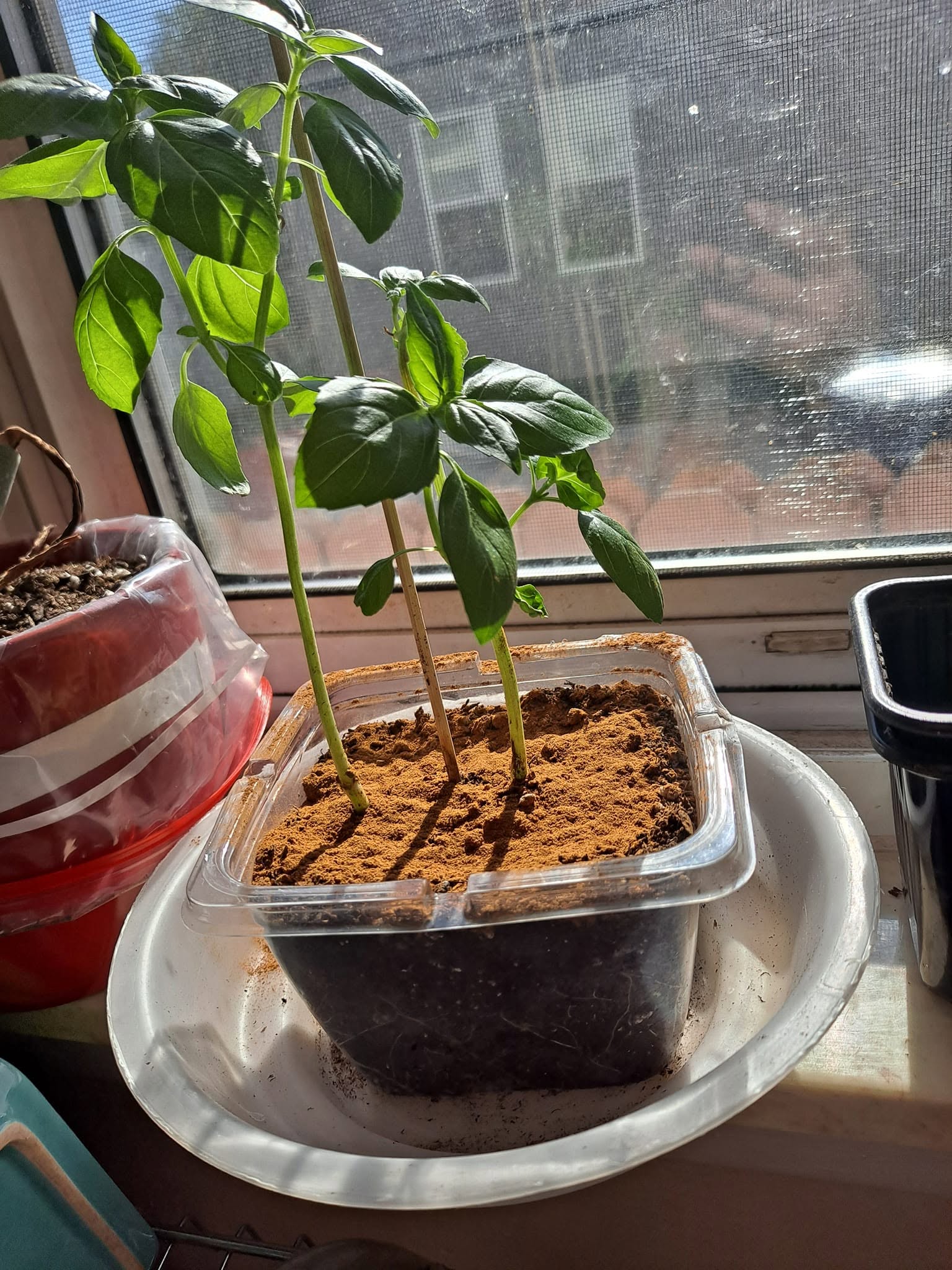
Cinnamon goes around the base of the plant
Ants use chemical trails to guide other members of their colony toward food and established routes.
Cinnamon has a strong scent that may disrupt these trails or discourage ants from crossing treated areas.
The method involves placing ground cinnamon around the base of the plant, where ants may be entering or crossing the surrounding surface.
Start with a small amount near the affected area rather than covering the leaves or mixing large quantities into the potting soil.
Observe whether the ants change their route or continue crossing the same location.
Cloves are another possible deterrent when placed around plants.
Neither ingredient is guaranteed to stop an established colony, and the guidance doesn’t provide a tested quantity or duration for the treatment.
Cinnamon won’t remove what attracts the ants
Ants visiting houseplants may be searching for food, moisture, or insects that produce sugary honeydew.
Aphids, mealybugs, and scale insects can attract ants because they release honeydew while feeding on plants.
Inspect the undersides of leaves, stems, and new growth for signs of these pests before treating the surrounding area.
If ants are feeding on honeydew, placing cinnamon near the pot won’t remove the insects producing it.
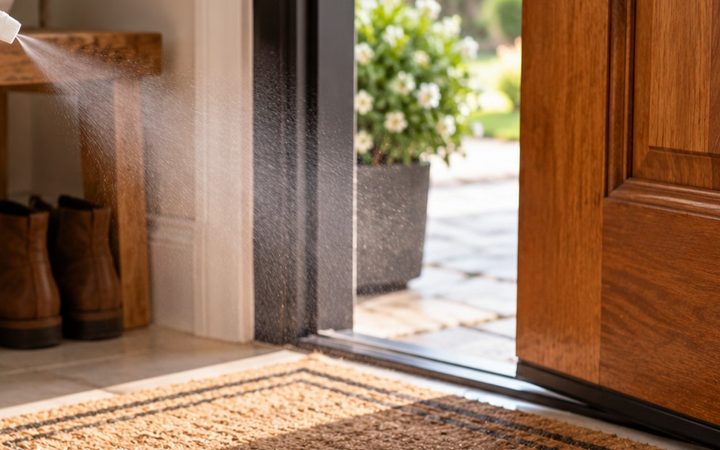
Check for spilled food, standing water, and entry points around windows or doors that may also contribute to ant activity.
Utah State University Extension recommends inspecting plants for pests and using physical barriers when appropriate.
Cinnamon may serve as a temporary deterrent along an ant route, but the guidance doesn’t establish that it eliminates nests or prevents future infestations.
Placing cinnamon near an ant route around the plant’s base targets insect movement, while covering the plant with powder doesn’t address the source of the activity.

Leave a Reply