
Three lids can look as though they fit the same container until you try to close one with lunch inside. A cupboard full of near-matches turns a simple task into a search, and a new organizer cannot create the missing pairs. Start by matching the collection you own before deciding how to store it.
Clear a work surface and bring out the clean containers, including the lids waiting in a different drawer. Keep food in use out of the sorting session and work through the empty pieces. The aim is a set you can choose from without testing several lids each time.
Build complete pairs before making stacks
Match each lid to its intended base and check the closure without forcing it. Similar dimensions do not prove two parts are compatible. Use the brand or product markings where available, when your cupboard contains several ranges from the same maker.
Set unmatched pieces aside while you finish checking the rest. Look in the dishwasher and other storage areas before declaring a part lost. If a missing lid belongs to a container you use, check whether the manufacturer offers the exact replacement; buying a whole new set may not be necessary.
Let condition and instructions guide the keep pile
Inspect lids, seals, and bases for damage that affects their use. Do not return cracked glass or a lid that no longer closes as intended to a food-storage stack. Keep the product’s instructions with the decision rather than assuming every plastic or glass container has the same permissions.
Rubbermaid publishes separate care guides for its food-storage ranges. That separation matters: dishwasher, freezer, microwave, and oven instructions can differ between a base and its lid, as well as between collections. A lid fitting a bowl is not evidence that the assembled pair is suitable for every temperature.
Choose storage after counting the useful set
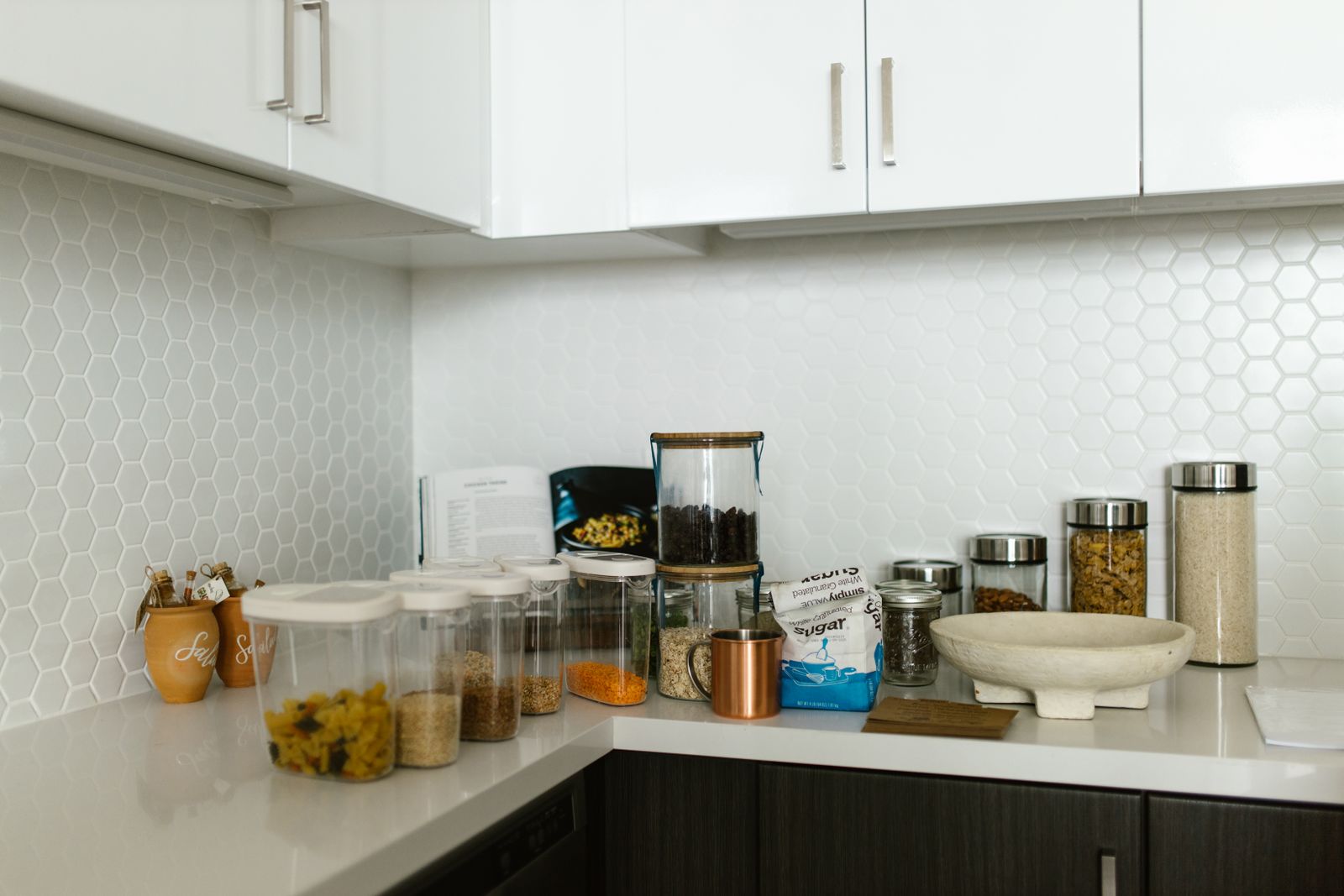
Group the complete containers by the job they do: packed lunches, leftovers, or larger food storage. Keep the sizes used most often where you can reach them without dismantling another stack. For containers designed to nest, test a short stack before committing the entire shelf.
Lids can stand together in a suitable existing bin or sit with their bases if that makes your routine easier. Try both arrangements with the available space. The useful test is whether you can remove one complete container and put it back after washing without creating a pile on the counter.
If an organizer is still needed, measure the remaining collection and the shelf opening before buying. Keep a small number of uncertain pieces aside with a reason and a next step, rather than letting them mix back into the working set. The cupboard should reflect the containers you use, not every takeout box that has passed through the kitchen.