

Zoysia plugs saved us money compared with laying sod, but they didn’t give us a finished lawn overnight. In our yard, it took about six years for the grass to take over. The total we reported for the project was $600.

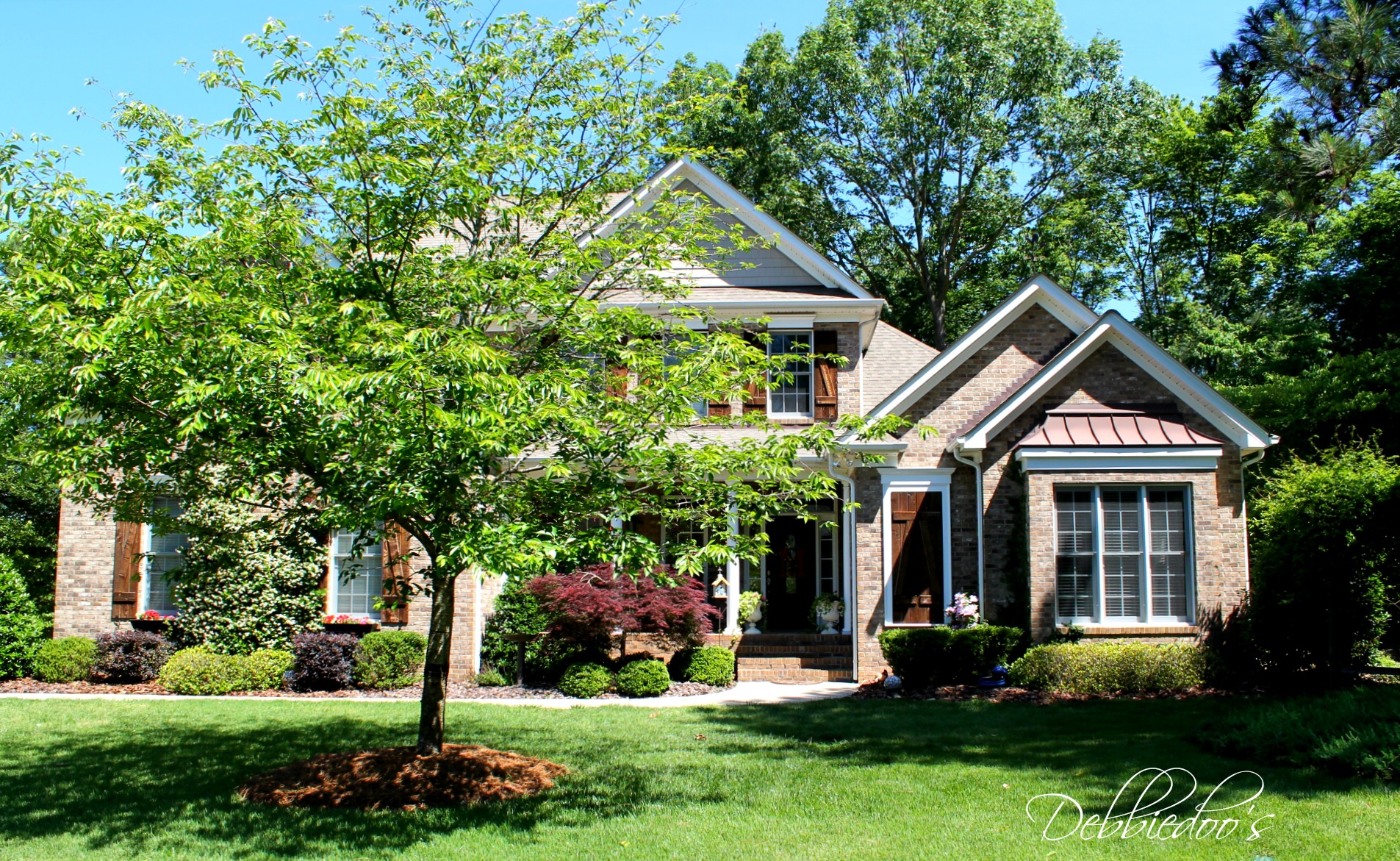
We’d been in the house for seven years when I first shared these photographs. The lawn was poor when we moved in. I thought it was fescue, though I wasn’t certain; by midsummer, it looked more like hay than the lawn we wanted.
Plugs instead of a $5,000 sod project
Mike spent weeks researching grass before choosing zoysia. We estimated that covering our lawn with sod would cost around $5,000, which wasn’t in the budget. Those are our costs and estimates from the original project, rather than current installation prices.
Plugs were the affordable option. Planting them meant making hundreds of holes across the yard. Mike did most of the work, but I cut plenty of plugs too and had the blisters to show for it.

We were new to the neighborhood, and the patchwork lawn drew some slow drive-bys. It looked as though it had chicken pox. Patience mattered more than curb appeal during that stage.
By the time the plugs had filled in, some neighbors wanted to try the same approach. Mike took a great deal of pride in the result.
What our experience says—and what it doesn’t
Six years was our timeline, not a rule for every lawn. NC State Extension’s zoysiagrass maintenance guide describes establishment from plugs as slow, typically two to four years. Site conditions and care affect the outcome.
Our lawn also turns brown in winter. I had to get used to that after enjoying its green summer appearance.

The Extension guide offers a more useful basis for choosing and maintaining zoysia than blanket promises about almost no mowing or no weeds:
- It forms dense, wear-resistant turf but recovers slowly from damage.
- It suits full sun or partial shade and is adapted to North Carolina’s piedmont and coastal plain.
- Mowing follows grass height and growth, rather than a guaranteed once-a-month schedule.
- Watering depends on rainfall, soil, and signs of moisture stress.
- Weeds, insects, disease, and thatch can still require attention.
For a different region or site, use local Extension advice and check the cultivar before buying. Our choice worked for us, with a long wait and seasonal brown grass as part of the trade-off.
Leave a Reply